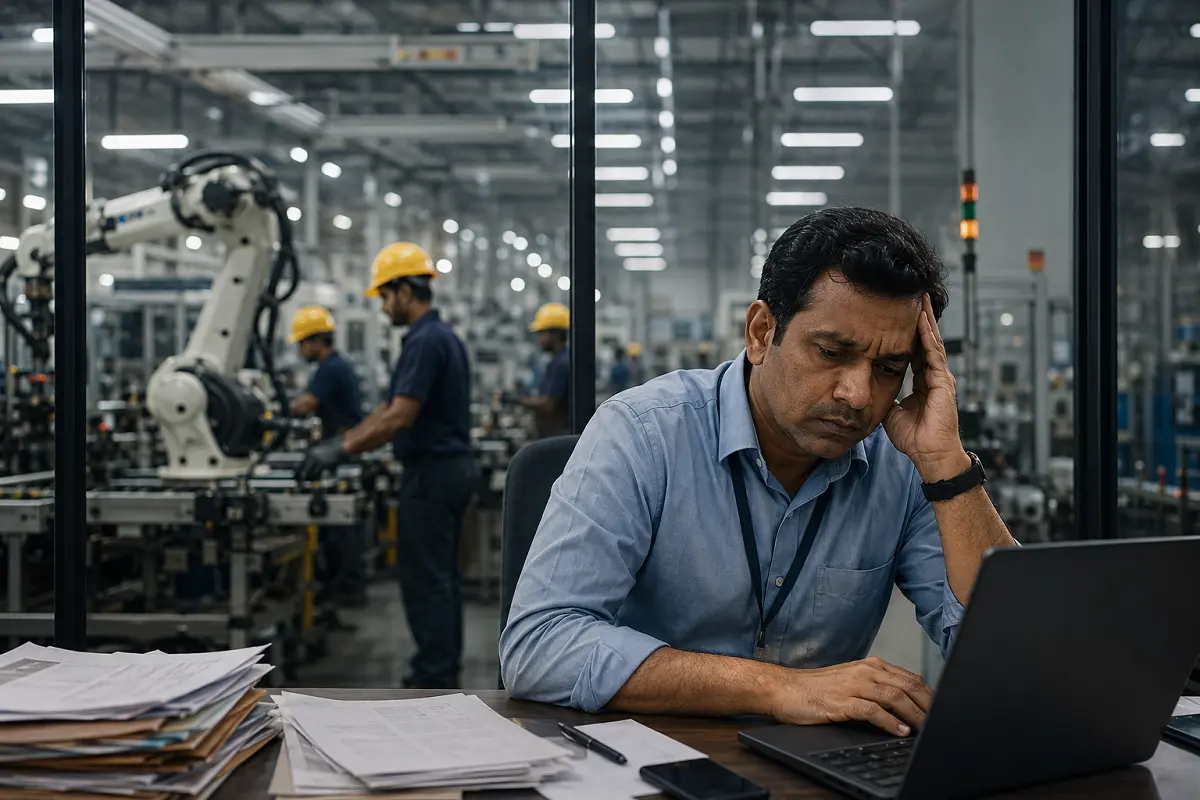
The average workplace skill now becomes outdated faster than ever. AI, automation, and digital tools are changing how people work across Canada. From hiring and logistics to manufacturing, construction, customer service, and marketing, technology is rapidly reshaping job duties.
This is why skills expire in the AI economy sooner than many workers and employers expect. A degree, certificate, or years of experience still matter, but they are no longer enough on their own. People must keep learning, and businesses must help teams adapt.
According to the World Economic Forum Future of Jobs Report 2025, employers expect major changes in workforce skills by 2030.
In this blog, we will explain why skills expire in the AI economy faster than ever, which industries are most affected, the risks of falling behind, and how workers and businesses can adapt.
What Does It Mean By Skills Expiration in the AI Economy?
Skill expiration occurs when a skill loses value as new tools, systems, or processes replace the old way of working. Some skills remain timeless, such as communication, leadership, and problem-solving. Others change fast, especially technical skills linked to software, admin systems, production tools, or digital platforms.
For example, these skills are becoming less valuable when used alone:
- Manual data entry.
- Basic software-only knowledge.
- Traditional administrative workflows.
- Repetitive production tasks.
- Routine reporting without analysis.
At the same time, new roles are emerging. Workers are now needed for AI-assisted jobs, data-focused positions, human-centered service roles, and skilled trades that require tech knowledge.
Why Skills Expire in the AI Economy Faster Than Expected
Rapid AI Adoption Across Industries
AI is now used in hiring, logistics, customer service, construction, warehousing, and manufacturing. Businesses adopt automation to save time, reduce errors, and improve efficiency. As tools change, job expectations change too.
Technology Evolves Faster Than Traditional Education
A degree can provide a foundation, but technology may shift before a curriculum catches up. That is why certifications, workshops, online training, and workplace upskilling are becoming more important.
Automation Replaces Repetitive Tasks
Jobs based mainly on repetitive work are more vulnerable. AI can process documents, answer common questions, sort data, schedule tasks, and generate reports. Workers must move toward higher-value skills such as judgment, quality control, customer care, and technical supervision.
Employer Expectations Are Changing
Employers now look for adaptability, learning ability, and hybrid skill sets. A strong candidate may need technical knowledge, communication skills, and the ability to work with AI tools.
Industries Most Affected by AI-Driven Skill Expiration
Industries most affected by AI-driven skill expiration are those with roles that are repetitive, data-heavy, or process-driven.
Administrative and Clerical Roles
AI assistants can schedule meetings, draft emails, organize files, and process forms. Admin workers now need stronger coordination, software, and communication skills.
Manufacturing and Warehouse Jobs
Robotics, smart inventory systems, and automated workflows are changing production and logistics. Workers who understand equipment, safety, and digital tracking systems will have stronger prospects.
Marketing and Customer Service
AI can create content, analyze campaigns, and power chatbots. Human workers still matter, but they must add strategy, brand judgment, empathy, and problem-solving.
Recruitment and HR
AI resume screening and predictive hiring tools are changing HR workflows. Recruiters must combine technology with fair judgment, relationship building, and workforce planning.
Construction and Skilled Trades
Construction is also changing through digital project management, smart equipment, and planning software. Tradespeople with tech awareness will be more competitive.
Statistics Canada has reported rising AI use among Canadian businesses, including data analytics, virtual agents, chatbots, and marketing automation.
The Risks of Ignoring Skill Changes
Reduced Employability
Workers may struggle to stay competitive in the job market as their skills become outdated.
Lower Career Growth Opportunities
Outdated skill sets can limit access to promotions and new responsibilities.
Increased Hiring Challenges for Employers
Skills gaps make it harder for organizations to find qualified talent, slowing overall business growth.
Higher Employee Turnover
Employees are more likely to leave companies that do not invest in continuous learning and development.
The Human Skills That AI Cannot Easily Replace
AI can automate processes, but it cannot fully replace human judgment and relationship-building. The most valuable human skills include:
- Critical thinking
- Problem solving
- Communication
- Leadership
- Emotional intelligence
- Creativity
- Adaptability
These soft skills are becoming more important because they help people use technology wisely, manage change, and solve real workplace problems.
How Employees Can Future-Proof Their Careers
Workers can stay competitive by treating learning as part of the job. Start with lifelong learning. Take online certifications, attend workshops, and join upskilling programs. Learn about AI-related tools, including productivity software, automation platforms, and basic data analysis tools.
It is also important to build transferable skills such as leadership, teamwork, communication, and organization to move across industries. Workers should also follow labour market reports, track hiring trends in Canada, and gain cross-functional experience.
Multi-skilled workers are increasingly valuable because they can adapt when roles change.
How Employers Can Help Their Workforce Adapt
Employers must also take action. Training should not be an afterthought. Companies must invest in upskilling, internal workshops, mentorship programs, and training in digital tools.
A learning-first culture helps employees stay engaged and productive. Employers should also focus on skills-based hiring rather than screening solely by degree or job title. Adaptability and growth potential are now strong hiring signals.
AI should be used as a support tool, not only as a replacement. The best results often come when automation supports human expertise.
Employers can also partner with Hire Labour, a trusted staffing agency in Canada, to access adaptable workers with evolving skill sets.
Why Skilled Trades and Labour Roles Still Have Strong Future Potential
Many hands-on roles are difficult to automate. Fields like construction, equipment operation, safety management, and smart manufacturing depend on physical problem-solving, on-site adaptability, and human judgment that machines cannot easily replicate.
Future-ready labour roles will not disappear; instead, they will continue to evolve. Workers who can combine traditional practical skills with modern technology will remain in high demand.
The Future of Work in Canada
The future of work in Canada will be shaped by hybrid skill sets where technical knowledge and human abilities work together. Employees will likely need to reskill multiple times throughout their careers to stay relevant.
AI will transform more jobs than it eliminates. Employers will increasingly value flexibility, adaptability, and a strong willingness to learn. Workers who embrace continuous change will have stronger long-term career opportunities.
Wrap Up
The AI economy is fundamentally reshaping how work is done, and the pace of change means skills now expire faster than ever before. While this creates challenges, it also opens up new opportunities for workers and employers who are willing to adapt.
The future will not belong to those who rely only on past experience, but to those who continuously learn, upgrade their skills, and embrace hybrid roles that combine human judgment with digital capability. Skilled trades, technical roles, and people-centric professions will continue to remain essential, especially when supported by modern tools and training.
To stay ahead in this evolving landscape, organizations need flexible, job-ready talent, and workers need access to opportunities that match their growing skill sets. This is where the right staffing partner makes a real difference.
Hire Labour connects Canadian employers with reliable, adaptable, and future-ready workers across multiple industries. Whether you’re looking to fill skilled trades roles, industrial labour positions, or rapidly evolving technical jobs, HireLabour.ca helps you find the right talent quickly and efficiently.
Get in touch with Hire Labour today to build a workforce that is ready for the future of work.
People Also Ask
1. Why do skills expire in the AI economy?
Skills expire because technology changes how tasks are done. AI can automate routine work, reducing demand for older processes and increasing demand for new skills.
2. Which jobs are most affected by AI-driven skill changes?
Administrative roles, customer service, marketing, HR, warehousing, manufacturing, and some clerical jobs are highly affected because many tasks can be automated.
3. What skills are most valuable in the AI economy?
Critical thinking, communication, adaptability, leadership, creativity, problem-solving, and knowledge of basic AI tools are highly valuable.
4. How can workers stay relevant in the AI economy?
Workers can stay relevant through online courses, certifications, workshops, AI tool training, and cross-functional experience.
5. How can employers prepare for a changing workforce skills?
Employers can invest in training, support mentorship, use skills-based hiring, and balance AI tools with human expertise.