
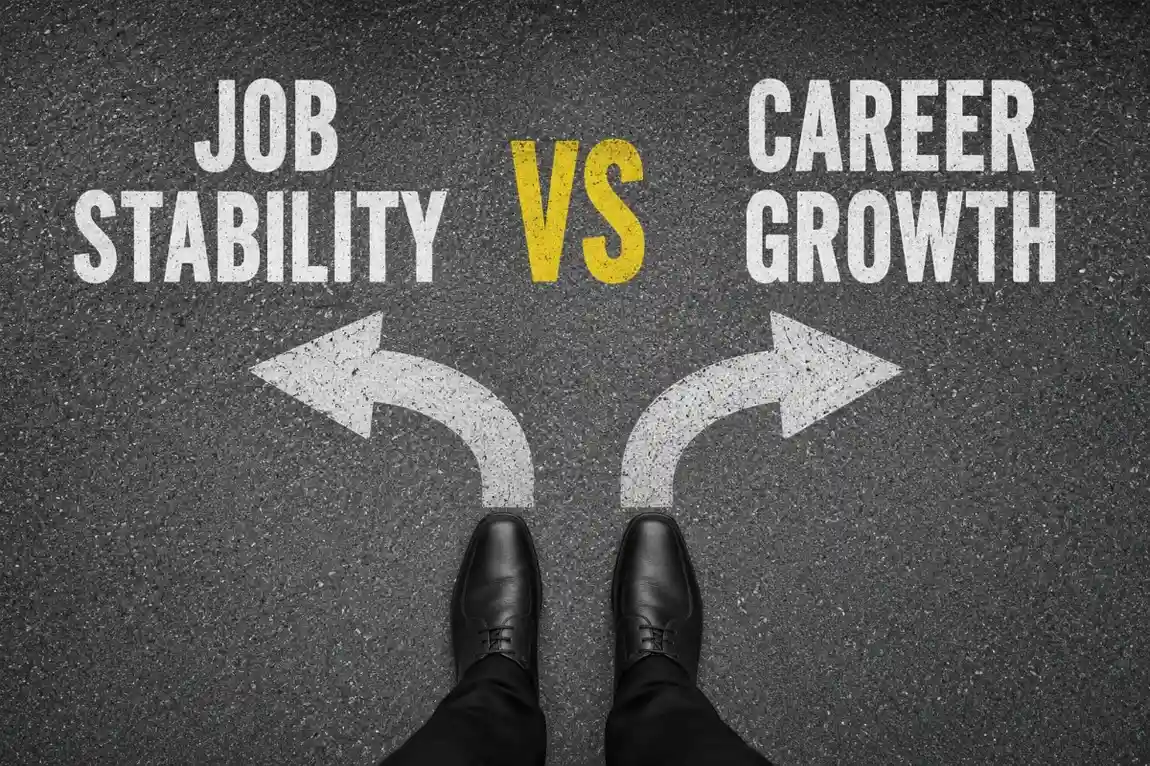
One of the biggest career questions professionals face today is whether to prioritize security or pursue advancement. Some people value a steady paycheck, predictable work environment, and long-term employment. Others focus on learning new skills, earning promotions, and reaching higher career goals.
The Job Stability vs Career Growth debate has become even more relevant in recent years. Economic uncertainty, changing workplace expectations, technological advancements, and evolving industries are forcing professionals to think carefully about their next move.
The good news is that this need not be an either-or decision. Rather than choosing one over the other, many professionals are looking for ways to achieve both.
This guide explores the advantages and challenges of each path and offers practical advice on finding the right balance for your career.
Understanding Job Stability
Job stability refers to having consistent employment with predictable income, reliable benefits, and a lower risk of sudden job loss. Stable positions often provide employees with a sense of security and confidence about their future.
Employees in stable roles typically enjoy established routines, clear expectations, and long-term relationships with colleagues and management. This environment can create a strong foundation for both personal and professional planning.
Benefits of Job Stability
Several benefits of job stability appeal to professionals across different industries.
- Financial security is often the biggest advantage. Knowing that income will remain consistent allows people to plan for major life goals or build long-term savings.
- Stability can also reduce stress. Employees who feel secure in their roles are often less concerned about sudden career disruptions.
- Long-term employment can lead to stronger workplace relationships and a deeper understanding of company operations.
Potential Drawbacks
While stability has many advantages, it can also present challenges.
- Some roles offer limited opportunities for advancement, making it difficult for employees to progress professionally. Over time, individuals may find themselves performing similar tasks without learning new skills.
- In rapidly changing industries, remaining in the same position for too long can also lead to skill stagnation, reducing competitiveness in the broader job market.
Understanding Career Growth
Career growth focuses on professional development, skill enhancement, and upward mobility. It involves actively seeking opportunities that expand responsibilities, improve expertise, and increase earning potential.
In today’s workplace, career growth is often associated with continuous learning and adapting to changing industry demands.
Benefits of Career Growth
The benefits of career growth extend beyond promotions and salary increases.
- Professionals who pursue growth often gain valuable skills that make them more competitive in the job market.
- They may also experience greater job satisfaction because they are consistently challenged and engaged.
- Career growth can expand professional networks, increase visibility within an industry, and create opportunities for leadership positions.
- For many individuals, growth contributes to a stronger sense of accomplishment and long-term career fulfillment.
Potential Challenges
Growth-focused career paths are not without risks.
- Advancement opportunities may require changing employers, taking on greater responsibilities, or moving into unfamiliar roles. These transitions can create uncertainty and additional pressure.
- Professionals pursuing rapid growth may also face heavier workloads and higher expectations, which can strain work-life balance if not carefully managed.
Job Stability vs Career Growth: Key Differences
When comparing Job Stability vs Career Growth, several factors stand out.
Income Predictability
Stable jobs often provide consistent earnings and benefits, while growth-oriented opportunities may involve more financial uncertainty, especially during career transitions.
Learning Opportunities
Career growth typically offers greater exposure to new skills, responsibilities, and challenges. Stable positions may provide fewer opportunities for ongoing development.
Risk Level
Stability generally comes with lower risk, while growth often requires stepping outside of one’s comfort zone.
Promotion Potential
Career-focused roles tend to offer clearer advancement opportunities. Stable positions may prioritize consistency over upward mobility.
Work-Life Balance
Depending on the role, stable employment can sometimes offer a more predictable schedule. Growth opportunities may demand additional time and commitment.
Why One Size Doesn’t Fit All
Career decisions are highly personal. What works for one professional may not work for another.
Factors such as industry, personal goals, financial obligations, and life stage all influence whether stability, growth, or a combination of both should take priority.
Factors to Consider Before Choosing
Your Career Stage
Early Career Professionals
Individuals at the beginning of their careers often benefit from prioritizing learning opportunities and skill development. Building experience early can create more options later.
Mid-Career Professionals
At this stage, many people focus on balancing advancement with growing personal responsibilities such as family or financial commitments.
Experienced Professionals
Seasoned professionals may place greater value on stability while continuing to maintain relevant skills and industry knowledge.
Financial Situation
Before making career decisions, it is important to assess risk tolerance and financial responsibilities.
Those supporting dependents or managing significant financial commitments may place a higher value on predictable income and stability.
Industry Trends
Some industries, such as government services, utilities, and certain healthcare sectors, often offer greater stability.
Others, including technology and emerging industries, may reward professionals who actively pursue innovation and growth opportunities.
Personal Goals and Values
Success means different things to different people.
Some individuals prioritize flexibility, work-life balance, and security. Others are motivated by achievement, leadership opportunities, and continuous advancement.
Understanding your personal definition of success is an important part of making the right decision.
Signs You May Need More Career Growth
There are several indicators that it may be time to seek additional growth opportunities.
You may feel unchallenged by your current responsibilities or notice that there is no clear advancement path within your organization.
Declining motivation, boredom, or a feeling that your skills are becoming outdated can also signal a need for change.
Steps to Pursue Growth
Professionals looking for growth can:
- Pursue certifications or additional training.
- Volunteer for new responsibilities
- Explore internal promotion opportunities.
- Expand their professional network.
- Seek mentorship within their industry.
Signs You May Need More Stability
Growth is important, but there are times when stability should take priority.
Frequent job changes, ongoing stress from constantly chasing promotions, financial uncertainty, or poor work-life balance may indicate a need for greater stability.
How to Increase Stability
- Building stronger professional relationships, creating long-term career plans, and focusing on transferable skills can improve career security.
- Choosing employers with strong reputations and stable business models may also help reduce uncertainty.
Strategies for Balancing Job Stability and Career Growth
The goal for many professionals is to balance job stability and career growth rather than sacrifice one for the other.
Seek Growth Within Stable Organizations
Many companies offer internal advancement opportunities without requiring employees to leave.
Leadership development programs, cross-functional projects, and internal promotions can provide growth while maintaining stability.
Invest in Continuous Learning
Professional certifications, workshops, and industry training allow employees to develop new skills regardless of their current position.
Build a Future-Proof Skill Set
Technical expertise remains valuable, but soft skills such as communication, adaptability, leadership, and problem-solving are increasingly important as workplaces continue to evolve.
Evaluate Opportunities Carefully
Before accepting a new role, consider factors such as company culture, growth potential, leadership quality, compensation, and long-term stability.
A thoughtful evaluation can help prevent decisions driven solely by short-term gains.
How Employers Can Support Both Stability and Growth
Organizations that successfully retain talent often create environments where employees can enjoy both security and opportunities for advancement.
Creating Career Development Pathways
Clear promotion frameworks and ongoing training programs help employees see a future within the organization.
Encouraging Internal Mobility
Mentorship initiatives, cross-department projects, and leadership development opportunities support professional growth while retaining valuable talent.
Retaining Top Talent
Competitive compensation, meaningful recognition, and employee engagement strategies help create workplaces where people want to stay and grow.
Conclusion
The Job Stability vs Career Growth debate is not about choosing a winner. Both play an important role in building a successful and fulfilling career.
While stability provides security and peace of mind, growth creates opportunities for learning, advancement, and greater earning potential. The most rewarding career paths often combine both elements.
As your goals, responsibilities, and priorities change, it is important to regularly evaluate your career direction and make decisions that align with your long-term objectives.
Looking for career opportunities that offer both stability and growth? HireLabour.ca can connect job seekers with employers that support long-term success and professional development.
FAQs
1. What is the difference between job stability and career growth?
Job stability focuses on long-term employment, predictable income, and security, while career growth emphasizes professional development, promotions, and skill expansion.
2. Is job stability more important than career growth?
The answer depends on individual goals, financial responsibilities, and career stage. Some professionals prioritize security, while others focus on advancement and learning opportunities.
3. Can I have both job stability and career growth?
Yes. Many organizations offer opportunities for advancement, skill development, and leadership growth while providing stable employment and long-term career paths.
4. How do I know if my current job is limiting my career growth?
Signs include a lack of new challenges, no clear promotion opportunities, declining motivation, and limited opportunities to develop new skills.
5. Why is balancing job stability and career growth important?
Balancing both helps professionals enjoy financial security while continuing to develop their skills, increase their earning potential, and prepare for future opportunities.