Canada’s technology sector continues to create strong demand for skilled IT professionals. From cybersecurity and cloud computing to software development, data, and artificial intelligence, businesses across industries need people who can keep their systems running and support digital growth.
However, finding the right person is only part of the challenge. Employers also need to decide how they should hire.
Should they bring someone into a permanent position, or would a contract professional make more sense?
The answer depends on the organization’s goals, project requirements, budget, timeline, and future workforce needs.
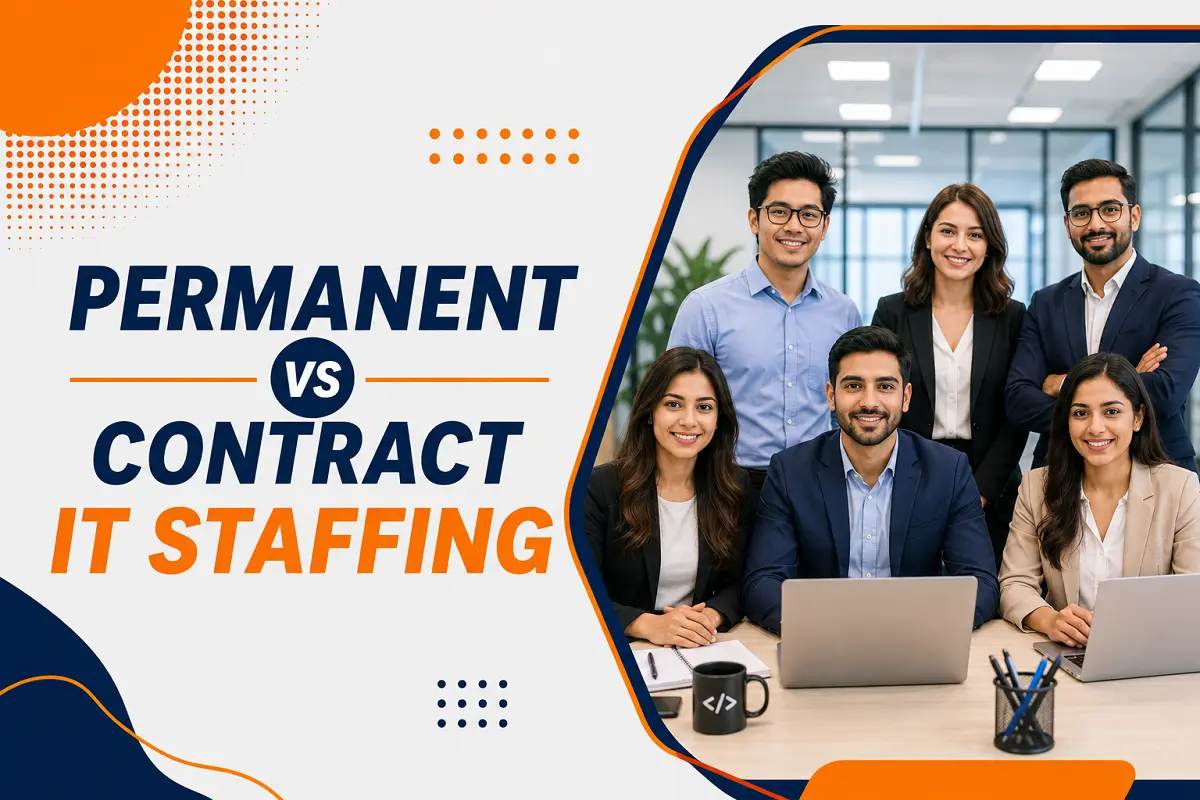
Comparing Permanent vs Contract IT Staffing can help employers make a more practical hiring decision instead of choosing a model simply because it is familiar.
This guide explains the differences between permanent and contract IT staffing, when each option makes sense, and how Canadian businesses can use flexible staffing solutions to access the technology talent they need.
What Is Permanent IT Staffing?
Permanent IT Staffing involves hiring a technology professional for an ongoing position within the organization.
The employee becomes part of the company’s long-term workforce and typically receives benefits and other employment provisions the employer offers.
Permanent hiring often suits roles central to a company’s operations, such as IT managers, software developers, cybersecurity professionals, systems administrators, and technology leadership positions.
It can also make sense when an organization expects the role to remain important for several years.
What Is Contract IT Staffing?
Contract IT Staffing involves hiring a professional for a defined period or specific project.
The contract may last for several months or longer, depending on the project and business requirements. Contract professionals can help organizations bring in specialized expertise without making a long-term commitment immediately.
For example, a company implementing a new cloud platform may need an experienced cloud engineer for the duration of the implementation. Once the project is complete, the business may no longer need that expertise full-time.
Contract staffing can therefore provide greater workforce flexibility.
Permanent vs Contract IT Staffing: A Side-by-Side Comparison
| Factor | Permanent Staffing | Contract Staffing |
| Hiring speed | Often slower due to a longer selection process | Usually faster |
| Cost | Long-term salary and benefits commitment | Cost is tied to contract duration |
| Flexibility | Lower | Higher |
| Employee commitment | Long-term | Project or period-based |
| Best use cases | Core roles, long-term growth, leadership | Projects, urgent needs, specialized skills |
| Workforce planning | Long-term | Short- to medium-term |
| Skills access | Focused on ongoing roles | Useful for specialized expertise |
Neither model is always better. The right choice depends on what the business actually needs.
When Should Employers Choose Permanent IT Staffing?
Permanent hiring is often the better option when a company needs consistent, long-term technology support.
Business Growth
Growing organizations may need permanent IT professionals to support expanding operations, users, systems, and technology infrastructure.
A permanent employee can develop a deeper understanding of the organization and grow alongside the business.
Leadership and Core IT Roles
Roles involving long-term strategy, management, security, infrastructure, and core business systems are often better suited to permanent employment.
These professionals may need a deep understanding of the company’s systems, culture, and long-term objectives.
Long-Term Technology Initiatives
If a company is planning a multi-year digital transformation or technology strategy, permanent employees can provide continuity and institutional knowledge.
Permanent hiring can also support internal career development and leadership succession.
When Is Contract IT Staffing the Better Option?
Contract staffing can be particularly useful when a business needs talent quickly or for a specific purpose.
Project-Based Hiring
Businesses often need specialized IT professionals for software implementations, system upgrades, migrations, cybersecurity projects, or technology integrations.
Hiring a contract professional allows the company to access the required expertise without creating a permanent position.
Seasonal Workloads
Some organizations experience periods where their IT workload increases significantly.
Contract professionals can provide additional support during these busy periods.
Specialized Technical Expertise
A business may need a professional with highly specific knowledge that is not required on an ongoing basis.
For instance, an organization may need a cybersecurity specialist to assess its infrastructure and implement improvements before handing ongoing maintenance back to its internal team.
Urgent Hiring Needs
When a critical IT employee leaves unexpectedly, or a major project starts suddenly, contract staffing can provide a faster solution.
This can help businesses avoid extended vacancies that disrupt operations.
Common Challenges and How to Overcome Them
Both staffing models have their own challenges. A thoughtful IT recruitment strategy can help businesses manage them.
Hiring Delays
IT recruitment can take time when employers are competing for specialized skills. A lengthy process can cause strong candidates to accept another opportunity.
Solution: Define requirements clearly, reduce unnecessary interview stages, and work with specialized recruiters who already have access to relevant candidates.
Skills Shortages
Technology changes quickly, and employers may struggle to find candidates with the exact combination of skills they need.
Solution: Consider skills-based hiring, internal training, and contract professionals when you need specialized expertise immediately.
Employee Retention
Permanent employees may leave if they do not see opportunities for career growth, while contract professionals may move on when their projects end.
Solution: Permanent employees should have clear development opportunities. For contract professionals, employers should clearly communicate expectations, project timelines, and potential future opportunities.
Budget Constraints
Permanent employees involve an ongoing employment commitment, while contract professionals may have higher hourly costs.
Solution: Compare total cost against expected business value, and consider the length and nature of the work before selecting a staffing model.
Understanding the Demand for IT Talent in Canada
The demand for IT talent in Canada continues to be driven by digital transformation, cybersecurity requirements, cloud adoption, artificial intelligence, and the growing use of data across industries.
This demand extends well beyond traditional technology companies. Financial institutions, healthcare organizations, manufacturers, logistics companies, professional services firms, retailers, construction businesses, and government organizations all rely on skilled IT professionals to support their operations and digital initiatives.
Demand can also vary significantly by role, technical skill set, location, and experience level.
For example, employers seeking professionals with expertise in cybersecurity, cloud computing, software development, data, and AI may face different hiring challenges than those recruiting for general IT support roles.
For Canadian employers, understanding these market conditions can help inform decisions about permanent vs contract IT staffing.
Before choosing a hiring model, companies should assess the specific skills they need, how quickly they need them, and whether the requirement is ongoing or project-based.
How Hire Labour Helps Businesses Find the Right IT Talent
Selecting between permanent and contract staffing becomes easier when employers have access to experienced recruitment support.
HireLabour.ca helps Canadian businesses access IT professionals through flexible recruitment solutions tailored to their workforce needs.
Our services include:
- Permanent IT recruitment
- Contract IT Staffing
- Access to pre-screened professionals
- Fast and flexible expert hiring support
Whether an organization needs a permanent software developer, a contract cloud specialist, or an experienced cybersecurity professional for a specific project, we can identify candidates based on the required skills and experience.
This can reduce the time businesses spend sourcing and screening candidates while giving hiring teams more flexibility.
Conclusion
Comparing Permanent vs Contract IT Staffing is ultimately a business decision, not simply a recruitment decision.
Permanent staffing can provide stability, long-term commitment, and deeper organizational knowledge, while contract staffing can offer greater speed, flexibility, and access to specialized expertise when businesses need it.
The right option depends on the role, project timeline, business strategy, budget, and future workforce requirements. Canadian employers should assess these factors carefully before starting the hiring process, rather than automatically choosing one staffing model over the other.
Need help finding the right IT professionals?
Hire Labour connects Canadian businesses with qualified technology talent through flexible IT staffing solutions in Canada, including permanent, contract, and temporary recruitment.
Contact the Hire Labour team today to discuss your staffing needs.
FAQs
Can contract IT employees transition to permanent roles?
Yes. Depending on the agreement between the employer, staffing agency, and professional, a contract employee may transition into a permanent position. This can also allow both the employer and candidate to assess whether the long-term fit is right.
How long does it typically take to fill an IT position in Canada?
The timeline varies by role, location, required skills, seniority, and candidate availability. Specialized positions can take longer, while contract recruitment may move faster when suitable professionals are already available.
Which industries benefit most from contract IT staffing?
Almost any industry with technology requirements can benefit. Common examples include financial services, healthcare, technology, manufacturing, logistics, retail, construction, professional services, and government.
What qualities should employers look for when hiring IT professionals?
Employers should consider technical skills, relevant experience, problem-solving ability, communication, adaptability, security awareness, and the candidate’s ability to work effectively within the organization’s environment.
How can an IT recruitment agency reduce hiring risks?
A specialized IT recruitment agency can help define hiring requirements, source relevant professionals, screen candidates, verify experience, and reduce the time spent on recruitment. This can help employers make more informed hiring decisions while reducing prolonged vacancies.