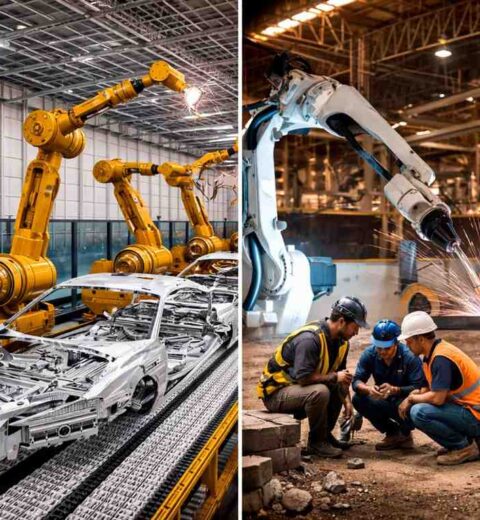

Onboarding new hires can be slow and stressful, leading to mistakes, low productivity, and safety risks. This is where understanding onsite onboarding challenges becomes important. These are the obstacles employers face when training new hires directly at the job site.
Addressing these challenges ensures workers become job-ready quickly and safely. By tackling these challenges early, you enable your team to get up to speed faster while minimizing risks and disruptions.
This blog covers the common onsite onboarding challenges, practical solutions, and tips to streamline the process for your workforce.
Common Onsite Onboarding Challenges and How to Overcome Them
Dealing with onsite onboarding challenges can be tough. Employers often face issues that disrupt the smooth training of new hires. Here are some of the most common challenges:
- Last-minute hiring and scheduling conflicts: Plan hiring and schedules in advance. One effective solution is to plan your hiring and scheduling in advance. This helps avoid last-minute surprises that can throw off your training plans.
- Lack of proper training materials or checklists: Additionally, ensuring you have clear and visual training materials can significantly improve understanding and retention for new hires.
- Safety risks and site hazards: Prioritize safety training and hazard awareness. Safety should always come first, so prioritize safety training to protect your workers and your business.
- Language or communication barriers: Use translators, visuals, or simple instructions to bridge gaps.
- Time pressure on supervisors or leads: Assign an onboarding lead to guide and mentor new hires.
Best Practices to Avoid Challenges
Many companies face similar onsite onboarding challenges, but there are ways to avoid them. By following best practices, you can create a smoother onboarding process:
- Standardize onboarding process across all sites: Ensure consistency in your approach. Standardizing the onboarding process across all sites ensures every new hire receives the same quality of training.
- Focus on safety first, then productivity: Safety should be the top priority. Focusing on safety first creates a secure environment where productivity can naturally follow.
- Collect quick feedback from new hires for continuous improvement: Use feedback to improve the process. Gathering quick feedback allows you to continuously refine the process.
- Pair new hires with experienced workers for faster learning: Mentorship accelerates learning. Pairing new hires with experienced workers provides real-time learning opportunities.
Tools and Resources to Streamline Onsite Onboarding
Using the right tools and resources can make a big difference in how you handle onsite onboarding challenges.
- Checklists and templates for tasks and safety training: Checklists and templates are great for organizing tasks and ensuring nothing is missed during training.
- Visual guides and signage for faster learning: Visual guides and signage can help new hires learn faster by providing clear, easy-to-understand instructions.
- Digital tools or apps to track progress and attendance: Digital tools or apps can also play a vital role by tracking progress and attendance. This gives you a clear picture of how each new hire is doing.
- Training kits and PPE ready on day one: Having training kits and personal protective equipment (PPE) ready on day one ensures that new hires can start learning without delay.
Final Considerations
Overcoming onsite onboarding challenges plays a vital role in improving workplace safety, boosting productivity, and increasing employee retention. With proper planning, standardized onboarding processes, and the right tools in place, employers can create a smoother, more efficient onboarding experience from day one. This proactive approach is especially critical in Canada’s competitive labour market, where securing skilled workers quickly can make a real difference.
If you’re looking to strengthen your workforce, Hire Labour helps businesses connect with reliable, skilled candidates across Canada.
Get in touch with our experts today to access professional staffing solutions tailored to your business needs.
FAQs
What are the most common onsite onboarding challenges?
The most common challenges include last-minute hiring and scheduling conflicts, lack of training materials, safety risks, language barriers, and time pressure on supervisors.
How can employers overcome these challenges?
Employers can plan in advance, use clear materials, prioritize safety, bridge communication gaps, and assign onboarding leads.
Why is addressing onboarding challenges important?
Addressing these challenges ensures new hires are ready quickly and safely, improving productivity and reducing risks.
What best practices help prevent onboarding problems?
Standardizing processes, focusing on safety, collecting feedback, and pairing new hires with experienced workers are effective practices.