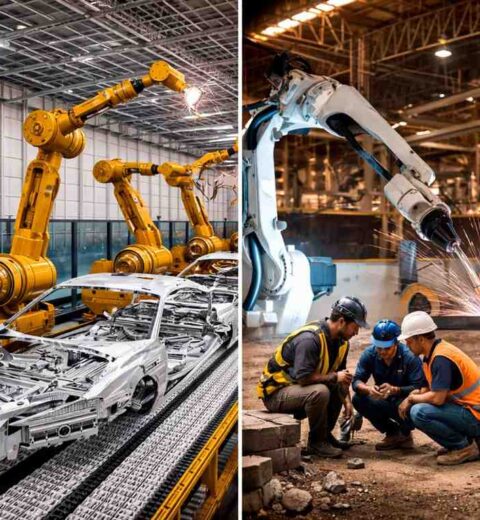

Choosing the wrong type of labour can cause significant delays, increase project costs, and affect the quality of your work. Many employers underestimate the importance of selecting the right workforce for their projects, leading to avoidable inefficiencies. Understanding the distinction between skilled and unskilled labour is crucial for deploying workers effectively.
Skilled labour refers to workers who possess specialized training, certifications, or hands-on experience in specific tasks. They bring expertise, precision, and reliability to complex jobs. Unskilled labour, on the other hand, handles general tasks that require minimal prior experience or training. While cost-effective, unskilled workers often require supervision and guidance to maintain quality and safety.
This guide compares skilled vs unskilled labour, explores their benefits and challenges, and offers practical tips to select the right workforce for your project.
Skilled vs Unskilled Labour: Key Differences
Understanding the differences between skilled and unskilled labour is essential to making informed hiring decisions.
Skilled Labour:
- Requires specialized training or certifications.
- Has experience in specific tasks or trades.
- Commands higher wages due to expertise.
- Performs complex or high-precision tasks efficiently.
Unskilled Labour:
- Handles basic, repetitive, or manual tasks.
- Requires minimal prior training.
- Cost-effective for short-term or general projects.
- May need supervision or on-site guidance.
Cost Implications:
Skilled workers are typically higher paid because they bring knowledge, efficiency, and reduced error rates to the job. Unskilled workers are more affordable, but relying solely on them for specialized tasks can lead to mistakes and delays. Balancing cost with project requirements is key to effective workforce management.
Project Fit:
Skilled workers are essential for tasks that demand expertise, precision, or strict adherence to safety regulations. Unskilled workers are suitable for general support tasks, basic labour, or temporary assignments. Understanding the project’s complexity, timeline, and quality requirements helps determine which type of labour to prioritize.
Skilled vs Unskilled Labour: Factors to Consider When Choosing Labour
Selecting the right workforce requires analyzing several factors:
- Project Complexity: Highly technical projects require skilled workers, while simple or repetitive tasks can be handled by unskilled labour.
- Quality and Precision: If the output must meet high standards or specific technical specifications, skilled workers are indispensable.
- Timeline and Urgency: Tight deadlines may require a combination of skilled and unskilled labour to ensure efficiency without compromising quality.
- Budget Constraints: Skilled workers come at a higher cost. Balancing the budget with project needs is critical.
- Safety and Compliance Requirements: Certain jobs may legally require certified or trained personnel to maintain workplace safety and regulatory compliance.
By evaluating these factors, employers can allocate the right mix of skilled and unskilled workers to optimize productivity and cost-efficiency.
Best Practices for Allocating Labour Effectively
Using both skilled and unskilled workers strategically can improve project outcomes. Consider these best practices:
- Mix Skilled and Unskilled Workers: Assign skilled workers to complex or critical tasks, while unskilled workers handle support roles to increase overall efficiency.
- Provide On-Site Training: Train unskilled workers on-site to gradually improve their skills, making them more effective over time.
- Use Supervisors or Team Leads: Skilled team leads can guide unskilled workers, ensuring tasks are completed correctly and safely.
- Plan Workforce Allocation Around Milestones: Align worker assignments with project phases to ensure adequate coverage and smooth progress.
This structured approach reduces mistakes, saves time, and improves the overall quality of work.
How Hire Labour Supports Skilled and Unskilled Workforce Needs
Finding the right mix of skilled and unskilled workers can be challenging, especially when time is limited. Hire Labour simplifies this process by offering:
- Pre-Screened Workers: Access to both skilled and unskilled labour that has been vetted for reliability and competence.
- Flexible Solutions: Workforce options for short-term or long-term projects.
- Faster Hiring: Reduce the time spent sourcing, screening, and interviewing candidates.
- Compliance and Site Readiness: Ensure that all workers meet safety, legal, and project-specific requirements.
By partnering with Hire Labour, employers can focus on managing projects rather than struggling with staffing challenges.
Conclusion
Choosing the right mix of skilled and unskilled labour is essential for project success. Skilled workers ensure high-quality output, safety, and efficiency, while unskilled workers provide support at a lower cost. Balancing both types of labour allows projects to stay on schedule, within budget, and at the required quality level.
Partnering with Hire Labour ensures quick access to reliable workers, helping businesses build an effective, flexible, and compliant workforce. Whether you need skilled specialists or unskilled support staff, we make staffing simple and efficient.
FAQs
Q1: What is the difference between skilled and unskilled labour?
Skilled labour has specialized training or experience, while unskilled labour performs basic tasks without prior expertise.
Q2: When should I hire skilled workers?
Skilled workers are needed for complex, precision-based, or safety-critical tasks.
Q3: Can unskilled workers be trained for skilled tasks?
Yes, with proper guidance and on-site training, unskilled workers can acquire skills for certain tasks.
Q4: How does choosing the right labour affect project costs?
Using the correct mix of skilled and unskilled workers ensures efficiency, reduces errors, and avoids unnecessary expenses.