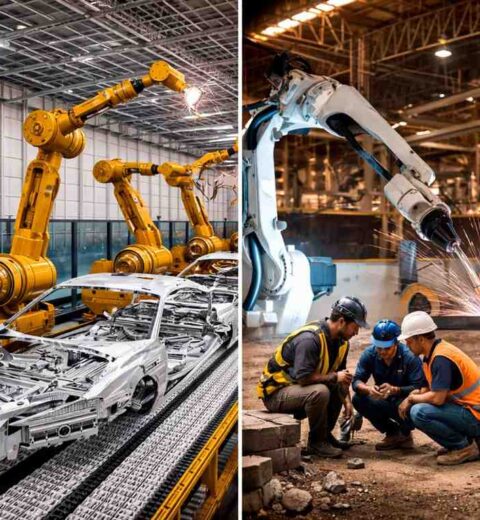

As businesses move toward 2026, workforce challenges are becoming harder to ignore. Labour shortages are tightening talent pools, hybrid work models are reshaping expectations, and skill gaps are widening across industries.
Companies that fail to adapt risk falling behind competitors that are already aligning people, processes, and technology with modern workforce trends. A future-ready staffing strategy is no longer optional; it is a core business requirement.
This blog outlines 6 warning signs that your staffing strategy is not prepared for 2026, and, more importantly, provides actionable solutions to help you build a resilient, scalable workforce.
What Is a Staffing Strategy?
A staffing strategy is a structured, long-term approach to workforce planning that ensures the right people, with the right skills, are in the right roles at the right time. Unlike ad hoc hiring, which reacts to immediate gaps, strategic staffing aligns talent acquisition, development, and retention with business objectives.
A strong staffing strategy supports:
- Operational efficiency.
- Employee retention and engagement.
- Sustainable business growth.
Without it, organizations struggle with rising costs, inconsistent performance, and workforce instability, issues that will only intensify by 2026.
Warning Sign 1: High Turnover Rates
Frequent employee exits are often the earliest indicator of misalignment. High turnover suggests mismatched roles, poor onboarding, or a lack of career progression.
The hidden costs of turnover include:
- Recruitment and advertising expenses.
- Training and onboarding time.
- Lost productivity and team morale.
How To Fix It:
- Strengthen onboarding programs.
- Implement retention and recognition initiatives.
- Use workforce engagement surveys to identify disengagement early.
- Reducing turnover is not just an HR goal; it directly impacts profitability and continuity.
Warning Sign 2: Inconsistent Workforce Skills
When employee capabilities do not align with evolving business needs, productivity stalls, which often appears as project delays, quality issues, or over-reliance on a few high performers.
Skill misalignment is especially risky as automation, AI, and digital tools reshape roles faster than traditional hiring can keep up.
Expert Solutions:
- Invest in continuous upskilling and reskilling programs.
- Cross-train employees for role flexibility.
- Leverage talent rediscovery to identify underutilized internal skills.
- Building skills internally is often faster and more cost-effective than constant external hiring.
Warning Sign 3: Inefficient Recruitment Process
Long hiring timelines, repetitive bottlenecks, and candidate drop-offs signal an outdated recruitment process. In competitive labour markets, slow hiring means losing top talent to faster employers.
Common issues include:
- Manual resume screening.
- Poor candidate communication.
- Lack of role clarity.
How to Improve Recruitment Efficiency:
- Automate initial screening and scheduling.
- Standardize hiring workflows.
- Partner with a professional staffing solution to scale faster.
Warning Sign 4: Poor Workforce Forecasting
If your business constantly scrambles to cover shifts, manage seasonal peaks, or respond to sudden demand, workforce forecasting is likely reactive rather than strategic.
Poor forecasting leads to:
- Overtime costs and burnout.
- Understaffing hurts customer experience.
- Overstaffing that strains budgets.
Expert Solutions:
- Adopt data-driven workforce forecasting.
- Analyze historical demand and future growth plans.
- Build flexible staffing models for peak periods.
Proactive planning improves both operational stability and employee satisfaction.
Warning Sign 5: Limited Employee Engagement
Disengaged employees do the bare minimum, and often plan their exit. Low engagement is a clear sign that staffing practices are not supporting employee needs or career aspirations.
Warning indicators include:
- Increased absenteeism.
- Declining productivity.
- Lack of internal mobility.
Ways to Improve Engagement:
- Create consistent feedback loops.
- Launch recognition and reward programs.
- Provide clear career development pathways.
Regular workforce engagement surveys help leaders identify issues before they escalate into attrition.
Warning Sign 6: Not Leveraging Technology
Organizations still relying on spreadsheets and manual scheduling are missing opportunities for efficiency and insight. Workforce data, when used correctly, supports better decision-making and predictive planning.
Technology gaps often result in:
- Scheduling errors.
- Poor visibility into performance.
- Inability to scale efficiently.
Recommended Solutions:
- Implement an applicant tracking system (ATS).
- Use workforce analytics tools for forecasting.
- Integrate HR technology across hiring, scheduling, and performance tracking.
- Technology is a force multiplier for modern staffing models.
How to Fix Your Staffing Strategy for 2026
To prepare for the future, businesses must move from reactive hiring to proactive workforce planning.
Key steps include:
- Align staffing goals with long-term business objectives.
- Embrace flexible workforce models such as micro-shifting, temp-to-perm, and multi-skilled teams.
- Partner with professional staffing solutions for scalable hiring support.
- Continuously monitor, analyze, and adjust your staffing strategy as conditions change.
- A data-driven, adaptable staffing strategy enables resilience in uncertain labour markets.
Key Takeaways
As 2026 approaches, workforce challenges will continue to intensify. High turnover, skill gaps, inefficient hiring, poor forecasting, disengagement, and outdated technology are all warning signs that should not be ignored.
A modern staffing strategy helps businesses stay competitive, control costs, and build engaged teams ready for the future. Now is the time to audit your current approach and identify gaps before they become critical risks.
Ready to future-proof your workforce? Partner with Hire Labour today for expert staffing services in Canada and build a scalable, resilient team designed for tomorrow’s business challenges.
FAQs
What is a staffing strategy, and why is it important?
A staffing strategy is a long-term plan for acquiring, developing, and retaining talent. It ensures workforce stability, productivity, and alignment with business goals.
How often should I review my staffing strategy?
At a minimum, review it annually. High-growth or seasonal businesses should assess it quarterly to remain agile.
What role does employee engagement play in a successful staffing strategy?
Engaged employees are more productive, loyal, and adaptable, reducing turnover and improving overall performance.
How can partnering with a staffing agency enhance my strategy?
A staffing agency provides access to talent pools, industry expertise, and scalable hiring solutions that reduce time-to-hire.
How does technology support modern staffing models?
HR technology improves efficiency, forecasting accuracy, and decision-making through automation and workforce analytics.