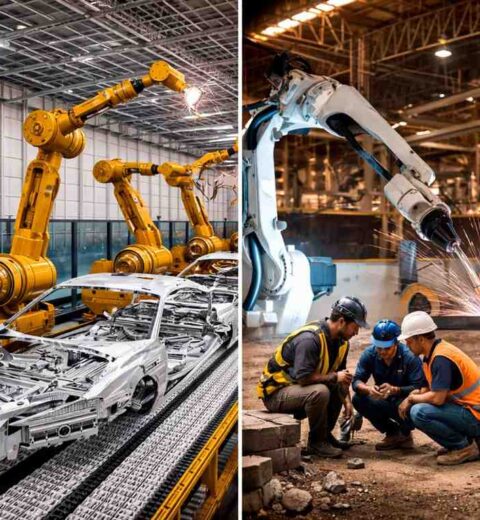

Canada’s manufacturing sector is evolving rapidly, driven by technological advancements and a growing demand for skilled professionals. By 2026, the industry is expected to see significant job growth, making it an exciting time for career opportunities. Automation, robotics, and a shortage of skilled labor are reshaping the workforce, creating both challenges and opportunities for job seekers.
This blog will explore the top manufacturing jobs in Canada, the skills needed to excel in these roles, and key industry insights to help you stay ahead in this dynamic field.
Why Manufacturing Jobs in Canada Are Increasing
The manufacturing sector in Canada is experiencing a surge, driven by various factors. Industries such as automotive, aerospace, food production, and clean energy are expanding rapidly. Additionally, this growth is fueled by government investments in advanced manufacturing technologies, aiming to boost productivity and innovation.
Labour shortages across provinces also contribute to rising worker demand. Automation and robotics, often seen as job eliminators, are instead creating new opportunities. Also, companies need skilled workers to operate, maintain, and program these advanced systems, leading to more job openings.
Top Manufacturing Jobs in Canada for 2026
Several roles stand out as key opportunities in the manufacturing sector by 2026. Here’s a look at the top jobs:
- Automation Technician: Involves maintaining and programming automated systems. Industries hiring include automotive, warehousing, and food manufacturing. Key skills: robotics, PLC programming, troubleshooting.
- CNC Machinist: Operates CNC machines for precision manufacturing. Rising demand due to the need for exactness in production. Skills: blueprint reading, CAD/CAM knowledge.
- Industrial Electrician: Critical in factories and production plants, focusing on equipment maintenance and troubleshooting.
- Production Supervisor: Oversees daily operations and teams. High demand due to the need for efficient production processes. Skills: leadership, scheduling, process optimization.
- Quality Control Inspector: Ensures quality in Canada’s manufacturing exports. Skills: inspection tools, quality standards, documentation.
- Robotics Technician: Growing demand due to smart factories. Responsibilities include robot operation, maintenance, and safety. Also, it is ideal for those with tech and engineering skills.
- Welders and Fabricators: High demand across construction, automotive, and energy. Skills: MIG/TIG welding, blueprint interpretation. Opportunities for certified welders are on the rise.
- Supply Chain and Logistics Coordinators: Essential for managing inventory, scheduling, and vendor coordination in manufacturing facilities.
- Machine Operators: Remain among the most common roles, with new demand for tech-enabled operators.
Skills Employers Want for 2026 Manufacturing Roles
To thrive in the future manufacturing landscape, candidates will need a mix of technical, safety, and soft skills:
Technical Skills
- CNC operations, robotics, and automation.
- Reading blueprints and performing precision measurements.
- Mechanical and electrical troubleshooting.
Safety and Compliance
- WHMIS certification
- Forklift operation
- Lockout/tagout procedures
Soft Skills
- Teamwork and collaboration
- Communication
- Problem-solving
Digital and Innovative Skills
- Ability to work with digital tools and advanced machinery.
- Adaptability to emerging technologies in manufacturing.
These skills are essential for anyone seeking manufacturing jobs in Canada in 2026, ensuring they stay competitive in a rapidly evolving industry.
Best Provinces in Canada for Manufacturing Jobs in 2026
Some provinces stand out for their manufacturing job opportunities:
- Manitoba and Saskatchewan – Opportunities in agricultural equipment and food processing, attracting skilled workers.
- Ontario – A leader in automotive, aerospace, and tech manufacturing.
- Quebec – Strong in food production, machinery, and electronics manufacturing.
- Alberta – Offers roles in energy and heavy equipment manufacturing.
- British Columbia – Focuses on clean energy and forestry-related manufacturing jobs.
How Candidates Can Prepare for the Future of Manufacturing
To stay competitive in 2026 and beyond, candidates should focus on:
- Safety Training – Complete courses such as WHMIS, forklift operation, and lockout/tagout procedures.
- Upskilling in Automation and Robotics – Gain hands-on experience with advanced machinery and automated systems.
- Certifications – Obtain credentials in CNC, welding, and industrial maintenance.
- Digital Manufacturing Tools – Learn to operate modern software and equipment used in production.
How Hire Labour Helps You Find Manufacturing Talent
Hire Labour connects companies with pre-screened skilled workers, making it easier to fill roles quickly. They provide flexible recruitment solutions for full-time, part-time, and contract positions across factories, warehouses, and production plants.
With deep expertise in manufacturing workforce placement, Hire Labour helps businesses find high-quality candidates across Canada, offering crucial support in today’s competitive job market.
Wrap Up
The manufacturing sector in Canada is poised for significant growth by 2026, offering exciting opportunities for skilled professionals across roles like automation technicians, CNC machinists, and robotics specialists.
With the right mix of technical expertise, safety knowledge, and soft skills, candidates can position themselves for success in this evolving industry.
Looking for a job in manufacturing? Partner with Hire Labour today to explore opportunities and advance your career with top employers across Canada.
FAQs
Which manufacturing jobs will be most in demand in Canada in 2026?
Jobs like automation technicians, CNC machinists, and industrial electricians are expected to be highly sought after.
Do I need certifications to work in Canadian manufacturing jobs?
Yes, certifications in areas like CNC operation, welding, and industrial maintenance are often required.
Which province offers the most opportunities for manufacturing roles?
Ontario is a top choice, followed by Quebec and Alberta, for diverse manufacturing opportunities.
Are automation and robotics replacing manufacturing workers?
No, they are creating more skilled jobs, requiring expertise in operating and maintaining advanced systems.
How can Hire Labour help me get a manufacturing job?
Hire Labour can connect you with top opportunities across Canada, helping you find roles that match your skills.