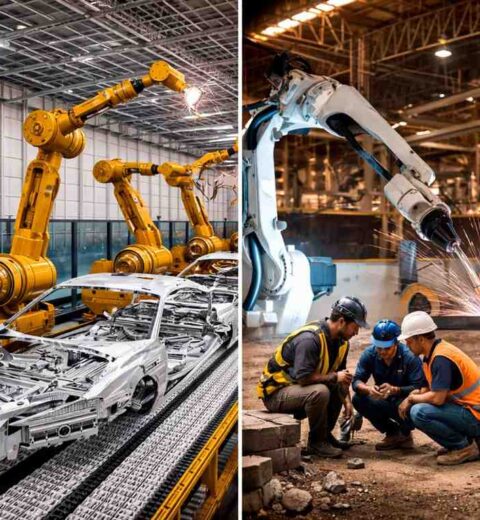

Every idle hour in a labour-heavy business isn’t just lost time; it’s lost revenue. Imagine paying your workforce while projects stall, deadlines slip, and clients wait. That’s the hidden cost of workforce downtime.
In industries that rely heavily on human labour, such as construction, manufacturing, logistics, and warehousing, productivity is directly tied to people being present, skilled, and actively working. Workforce downtime occurs when employees are on payroll but unable to perform productive tasks due to operational gaps, scheduling failures, or unexpected disruptions.
This blog explores what workforce downtime really means, the most common causes behind it, how it quietly impacts revenue, and proven strategies businesses can use to reduce its impact and protect profitability.
What Is Workforce Downtime?
Workforce downtime refers to periods when employees are available and being paid but are not actively contributing to output. Unlike equipment downtime, which is easier to measure, workforce downtime often goes unnoticed until it begins affecting delivery timelines and financial performance.
Downtime generally falls into two categories:
- Planned downtime: Expected gaps such as seasonal slowdowns, shift overlaps, or scheduled maintenance.
- Unplanned downtime: Sudden disruptions like absenteeism, system failures, or labour shortages.
Both types can significantly affect operations if not managed properly.
Common Causes of Workforce Downtime
Understanding the Common Causes of Workforce Downtime is the first step toward prevention.
Employee Absenteeism
Unplanned absences due to illness, emergencies, or no-shows can leave shifts understaffed and work stalled.
Seasonal Fluctuations in Demand
Many labour-heavy businesses experience peaks and slow periods. Without flexible staffing, businesses either overstaff during slow periods or scramble during busy ones.
Equipment or System Failures
When tools, machinery, or digital systems go down, workers are left idle, even though labour costs continue.
Lack of Skilled Labour
If a task requires specialized skills and no qualified worker is available, entire teams may be forced to wait.
Poor Scheduling or Workforce Planning
Inefficient scheduling can result in too many workers on-site with too little work, or critical roles left uncovered.
The Financial Impact of Workforce Downtime
Direct Costs
- The most immediate impact of downtime is financial.
- Wasted wages paid for unproductive hours.
- Overtime costs are required later to meet deadlines.
- Payroll inefficiencies are caused by poor labour utilization.
In labour-heavy operations, even a small percentage of idle time can translate into significant monthly losses.
Indirect Costs
Indirect costs often cause even greater long-term damage:
- Missed deadlines and delayed project delivery.
- Lower team morale and disengagement.
- Lost clients or contracts due to reliability concerns.
These hidden costs compound over time and weaken business stability.
Workforce Downtime vs Revenue: The Connection
The relationship between Workforce Downtime and revenue is direct and measurable.
How Downtime Reduces Output
When downtime increases:
- Fewer tasks are completed per shift.
- Production and service bottlenecks form.
- Project timelines extend beyond budgeted hours.
Lower output means lower billable work and reduced revenue generation.
Opportunity Costs
Downtime doesn’t just affect current projects; it limits future opportunities. When work isn’t completed on time:
- New contracts may be delayed or declined.
- Repeat business becomes less likely.
- Brand reputation suffers.
Over time, these opportunity costs can exceed direct payroll losses.
Strategies to Minimize Workforce Downtime
Implementing proactive Strategies to Minimize Workforce Downtime can significantly improve operational efficiency and profitability.
Use Labour Staffing Agencies
Partnering with staffing agencies allows businesses to:
- Fill last-minute gaps quickly.
- Scale workforce during peak seasons.
- Reduce idle time caused by absenteeism.
Agencies provide access to pre-vetted, job-ready workers without long-term overhead.
Effective Scheduling Practices
Smart scheduling reduces idle time and burnout:
- Forecast labour needs using historical data.
- Use shift-planning software.
- Avoid overstaffing and understaffing.
Accurate scheduling ensures the right number of workers are present at the right time.
Upskilling and Cross-Training
Cross-trained employees can step into multiple roles when needed. This:
- Reduces dependency on single workers.
- Keeps operations moving during absences.
- Improves employee engagement and career growth.
Implement Technology Solutions
Technology plays a key role in reducing downtime:
- Track productivity and idle hours.
- Automate administrative tasks.
- Monitor attendance and performance trends.
Data-driven insights allow managers to act before downtime becomes costly.
Benefits of Reducing Workforce Downtime
Reducing downtime delivers measurable business benefits:
- Increased productivity and higher revenue.
- Improved employee morale and retention.
- Greater client satisfaction and repeat business.
- Reduced wage waste and overtime costs.
When labour is fully utilized, businesses operate leaner, faster, and more competitively.
Final Thoughts
Workforce downtime is one of the most underestimated threats to revenue in labour-heavy businesses. Whether caused by absenteeism, poor scheduling, or skill gaps, idle labour quietly drains profitability and limits growth.
By identifying the common causes of workforce downtime and implementing proven solutions, such as flexible staffing, smarter scheduling, and workforce planning, businesses can regain control of productivity and protect their bottom line.
If your business is struggling with labour gaps or inefficiencies, Hire Labour can help. Our flexible staffing solutions ensure you have the right workers, exactly when you need them, without costly downtime.
Get in touch with us today and turn idle hours into productive results.
People Also Ask
What is workforce downtime?
Workforce downtime refers to periods when employees are paid but not actively productive due to operational delays or labour gaps.
How does workforce downtime affect business revenue?
Downtime reduces output, increases payroll waste, delays projects, and leads to lost clients and missed revenue opportunities.
What causes workforce downtime in labour-heavy industries?
Common causes include absenteeism, poor scheduling, equipment failures, seasonal demand changes, and skill shortages.
How can employers reduce workforce downtime?
Employers can improve scheduling, cross-train employees, use productivity tracking tools, and partner with staffing agencies.
Can staffing agencies help minimize workforce downtime?
Yes. Staffing agencies provide quick access to qualified workers, helping businesses fill gaps and maintain productivity.