Canadian businesses across construction, manufacturing, infrastructure, energy, technology, and other industries rely on engineering professionals to design, develop, manage, and improve critical projects.
As project requirements become more specialized, employers often face an important question: should they hire an engineer permanently or bring in a contract professional for a specific need?
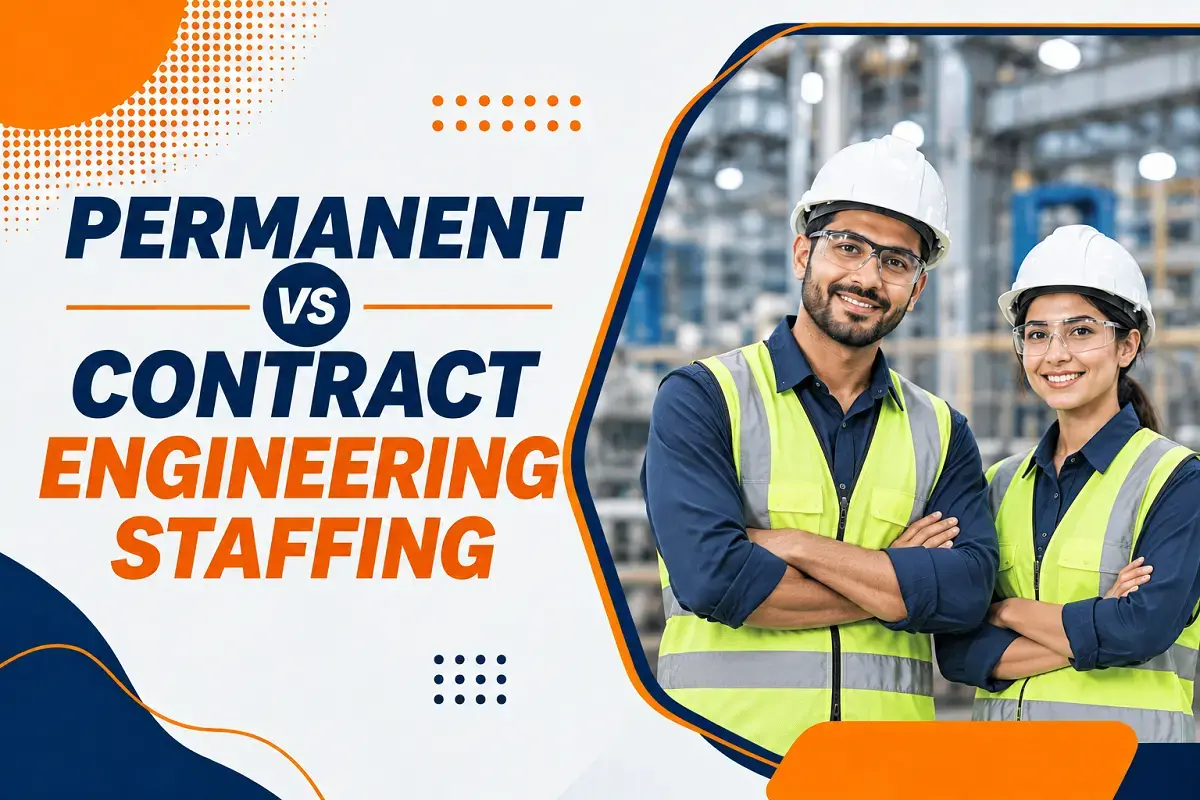
Understanding permanent vs contract engineering staffing can help employers make better workforce decisions. The right choice depends on factors such as project duration, technical requirements, hiring timelines, budget, workload, and long-term workforce plans.
In this guide, we’ll compare permanent vs contract engineering staffing, covering the key differences, benefits, and when to use each hiring model.
We’ll also cover how to determine the right staffing model for your business and how Hire Labour can help you connect with skilled engineering professionals.
What Is Permanent Engineering Staffing?
Permanent engineering staffing involves hiring an engineering professional as an ongoing employee rather than for a defined project period.
Permanent engineers can become an important part of an organization’s long-term workforce. They may contribute to product development, infrastructure projects, engineering operations, quality management, research, maintenance, or technical leadership.
Common engineering roles hired permanently include:
- Mechanical engineers
- Electrical engineers
- Civil engineers
- Industrial engineers
- Manufacturing engineers
- Environmental engineers
- Project engineers
Permanent hiring can be a strong option for organizations with a steady engineering workload that need professionals who can build in-depth knowledge of their systems, processes, products, and customers over time.
What Is Contract Engineering Staffing?
Contract engineering staffing involves hiring an engineering professional for a defined period, project, assignment, or temporary business requirement.
A contract engineer may be brought in to support a major project, fill a temporary skills gap, provide specialized technical knowledge, or help a team meet an important deadline.
For example, a manufacturer may need an experienced engineer during a plant expansion, while a construction company may require additional engineering expertise for a specific infrastructure project.
Contract staffing gives businesses greater workforce flexibility because they can bring in specialized professionals without necessarily creating a permanent position.
Permanent vs Contract Engineering Staffing: Key Differences
| Factor | Permanent Engineering Staffing | Contract Engineering Staffing |
| Employment duration | Long-term or ongoing | Defined project or assignment |
| Project requirements | Best for continuous work | Best for specific projects or temporary needs |
| Hiring speed | May take longer | Can often provide faster access to talent |
| Cost and compensation | Ongoing employment costs and benefits | Compensation structured around contract terms |
| Workforce flexibility | Lower | Higher |
| Technical expertise | Builds long-term internal knowledge | Provides targeted or specialized expertise |
| Training and onboarding | Greater investment may be appropriate | Usually focused on assignment requirements |
| Long-term workforce planning | Supports core workforce development | Supports short-term or changing requirements |
The right staffing model depends on the organization’s specific needs and goals.
Businesses with ongoing engineering requirements may benefit from developing a permanent team, while those with short-term projects or fluctuating workloads may find contract staffing more suitable.
Benefits of Permanent Engineering Staffing
Build Long-Term Engineering Expertise
Permanent employees can develop a detailed understanding of an organization’s products, systems, processes, standards, and customers.
Over time, this knowledge can become a valuable internal resource.
Retain Technical Knowledge
When technical expertise stays within the organization, employees can continue building on previous projects rather than repeatedly transferring knowledge to new contractors.
This is especially useful for complex or long-term engineering programs.
Improve Project Continuity
Permanent engineers can stay involved across project stages, from planning and design through implementation and future improvements.
This continuity can support smoother collaboration and decision-making.
Strengthen Team Collaboration
Long-term employees have more opportunities to build relationships with operations, production, management, sales, procurement, and other departments.
These relationships can improve communication across the organization.
Support Long-Term Engineering Projects
If a company expects engineering work to continue for several years, permanent staffing may provide a stronger foundation for workforce planning and technical development.
Benefits of Contract Engineering Staffing
Access Specialized Engineering Skills
Contract staffing can help businesses access professionals with specific technical experience without committing to a permanent position.
This is useful when an organization needs expertise that doesn’t exist within its current workforce.
Scale Teams for Major Projects
A company can temporarily expand its engineering team when project demands increase.
For example, a manufacturing business may bring in additional engineering professionals during equipment upgrades or facility expansion.
Fill Temporary Skills Gaps
Employee departures, extended absences, new projects, or unexpected workload increases can create temporary skills gaps.
Contract professionals can help businesses maintain progress while they determine their longer-term staffing needs.
Meet Tight Project Deadlines
When a project has a fixed deadline, waiting for a lengthy permanent recruitment process may create operational challenges.
Contract staffing can provide another route to accessing qualified talent.
Increase Workforce Flexibility
Contract engineering lets organizations adjust staffing to project needs.
This flexibility can be especially useful for businesses whose engineering workload changes throughout the year.
When Should You Choose Permanent Engineering Staffing?
Permanent engineering staffing may be the better choice when your organization has:
- An ongoing engineering workload
- Long-term projects
- Core engineering positions
- A need for consistent technical knowledge
- Long-term product or infrastructure development
- A strong need for internal collaboration
- A clear plan to develop engineering talent internally
If an engineering position is expected to remain important to the organization for years, permanent hiring may provide stronger continuity and long-term workforce value.
When Should You Choose Contract Engineering Staffing?
Contract engineering staffing may make more sense when you have:
- Short-term engineering projects
- Temporary workload increases
- Specialized technical requirements
- Project-based hiring needs
- Tight project deadlines
- Temporary employee shortages
- A need to access expertise that is not currently available internally
Contract staffing can also be useful when an employer wants to evaluate future workforce requirements before creating a permanent position.
How to Choose the Right Engineering Staffing Model
Evaluate Project Duration
Start by determining how long the engineering requirement is expected to last.
A short project with a defined completion date may suit contract staffing, while an ongoing workload may justify permanent recruitment.
Identify the Engineering Skills Required
Determine whether the business needs broad engineering capability or a highly specialized skill set.
If the requirement is highly specific, contract recruitment can provide access to professionals with targeted experience.
Consider Your Hiring Timeline
Ask how quickly the position needs to be filled.
Urgent project requirements may require a more flexible approach than a planned long-term hire.
Assess Your Budget
Consider the total cost of each option, including compensation, benefits, recruitment expenses, onboarding, training, and the expected duration of the requirement.
The lowest immediate cost is not necessarily the best long-term option.
Determine Your Long-Term Workforce Needs
Consider whether the engineering skill will remain important after the current project ends.
If it will, permanent recruitment may make more sense.
Consider Project Flexibility and Workload
Businesses with fluctuating project requirements may benefit from a combination of permanent employees and contract professionals.
This approach can build a stable core team while adding capacity when demand increases.
How Hire Labour Can Help With Engineering Staffing
Finding qualified engineering professionals can be challenging, especially when businesses require specific technical skills, certifications, industry experience, or specialized knowledge.
Hire Labour helps Canadian businesses connect with engineering candidates based on their skills, qualifications, experience, availability, and project requirements.
Our engineering staffing services support both permanent and contract recruitment, giving employers the flexibility to adapt their workforce as business needs change.
Whether you’re looking to expand your long-term engineering team or need specialized professionals for a specific project, we can help streamline the recruitment process and reduce the time and resources involved in sourcing and screening qualified candidates.
Wrap Up
Choosing between permanent and contract engineering staffing depends on your project requirements, hiring timeline, technical needs, and long-term workforce plans. The right staffing approach can help you access the expertise you need while maintaining flexibility as your business grows.
Hire Labour provides professional engineering staffing solutions for Canadian businesses, helping employers connect with qualified professionals for both permanent and contract roles.
Whether you’re building a long-term engineering team or need specialized talent for a specific project, our recruitment team can help you find the right candidates.
Looking for qualified engineering professionals? Contact Hire Labour today to discuss your engineering staffing needs and find the right talent for your business.
People Also Ask
Is permanent or contract engineering staffing better for engineering projects?
It depends on the project. Permanent staffing is generally better for ongoing engineering responsibilities and long-term projects, while contract staffing can be more suitable for defined projects, temporary skills gaps, or specialized technical requirements.
Is contract engineering staffing more cost-effective?
It can be, particularly when an organization only needs specialized engineering expertise for a limited period.
However, employers should evaluate the complete cost of each model, including compensation, recruitment, onboarding, project duration, and workforce requirements.
How quickly can businesses hire contract engineers?
Contract engineers can often be hired within a few days to a couple of weeks, depending on the role, required qualifications, and candidate availability. Permanent hiring may take three to eight weeks or longer, particularly for specialized positions.
The timeline depends on the required skills, location, licensing requirements, availability of candidates, and project specifications.
Working with a staffing agency can help employers access qualified candidates more efficiently.
Can a contract engineer become a permanent employee?
Yes. A contract engineer can transition to a permanent role if both the employer and candidate agree and a suitable long-term opportunity becomes available.
What should employers verify before hiring an engineer in Canada?
Employers should check the candidate’s education, experience, technical skills, certifications, and applicable licensing requirements. Licensing rules vary by province and territory.