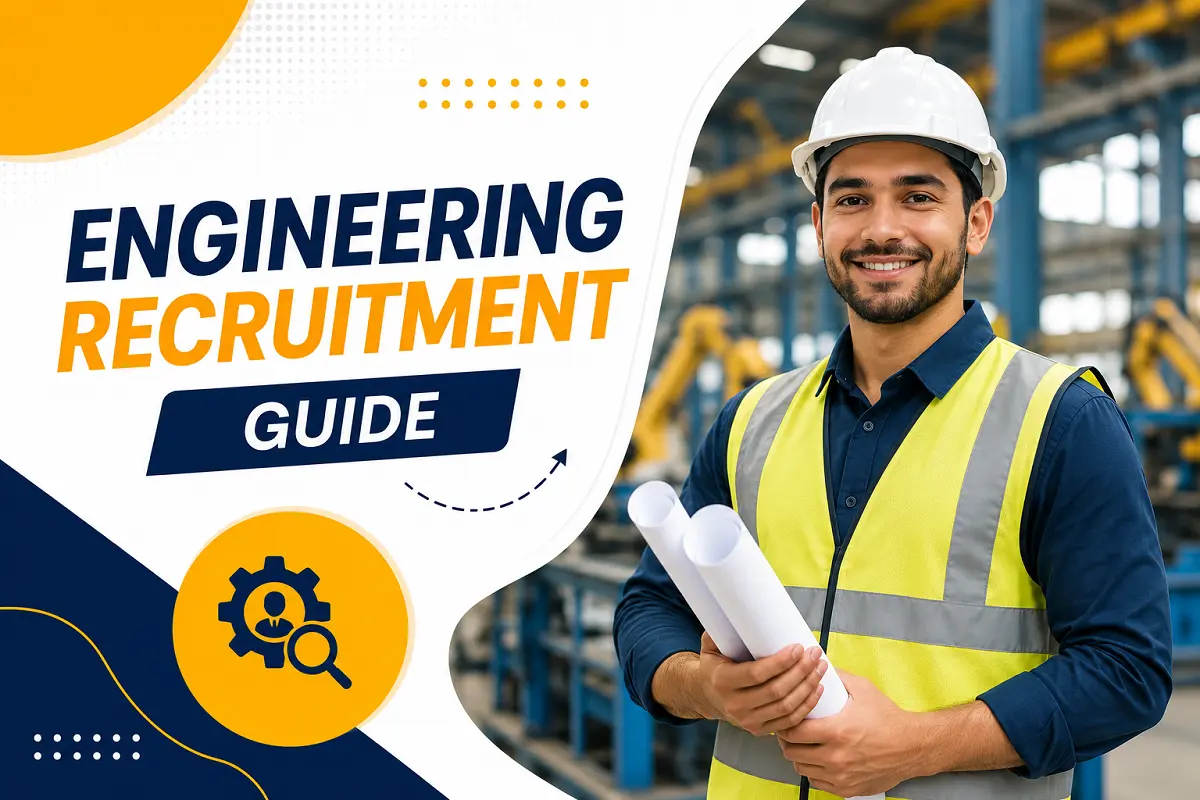
Engineering talent is in high demand across Canada. From infrastructure and construction to manufacturing, energy, technology, and industrial operations, businesses rely on skilled engineers to design, build, improve, and manage complex projects.
However, finding the right engineering professional is not always easy. Employers compete for a limited pool of experienced candidates while also seeking specific technical skills, certifications, industry knowledge, and practical experience.
This is where a strategic Engineering Recruitment process becomes essential. Hiring the first available candidate may fill a vacancy, but it does not always result in the right long-term fit.
In this guide, we explore how engineering recruitment works, the common challenges employers face, how to improve the hiring process, and why partnering with an experienced engineering recruitment agency in Canada can make it easier to find qualified engineering professionals.
What Is Engineering Recruitment?
Engineering recruitment is the process of finding, evaluating, and hiring professionals for engineering roles across different industries.
Unlike general hiring, engineering recruitment often requires a deeper understanding of technical qualifications, industry experience, certifications, software knowledge, and project requirements.
For example, an employer hiring a civil engineer may need someone with experience in infrastructure projects, while a manufacturing company may require an engineer familiar with production systems, automation, and quality control.
The goal is not simply to find someone with an engineering degree. Employers need candidates whose technical knowledge and practical experience match the specific demands of the position.
A successful Engineering Recruitment strategy considers both technical ability and factors such as communication, problem-solving, teamwork, leadership, and adaptability.
Types of Engineering Roles Employers Commonly Hire
Engineering professionals work across a wide range of industries and specializations.
Civil Engineers
Civil engineers work on infrastructure, construction, transportation, environmental projects, and other large-scale developments.
Mechanical Engineers
Mechanical engineers design, develop, test, and improve machines, equipment, and mechanical systems.
Electrical Engineers
Electrical engineers work with electrical systems, power generation, electronics, automation, and related technologies.
Structural Engineers
Structural engineers focus on designing and evaluating structures to ensure they are safe, stable, and capable of handling expected loads.
Manufacturing Engineers
Manufacturing engineers improve production processes, equipment, efficiency, and quality within manufacturing environments.
Industrial Engineers
Industrial engineers analyze systems and processes to improve productivity, reduce waste, and increase operational efficiency.
Project Engineers
Project engineers combine technical knowledge with project coordination responsibilities, helping ensure projects remain on schedule and within budget.
Quality Engineers
Quality engineers focus on maintaining product and process standards, identifying defects, and improving quality control systems.
Common Engineering Recruitment Challenges
Finding qualified engineers can be difficult for several reasons.
Shortage of Skilled Engineers
Many employers compete for the same experienced professionals, particularly in specialized engineering fields.
This can make it difficult to fill positions quickly, especially when a role requires a combination of technical expertise and industry-specific experience.
High Competition for Top Talent
Strong engineering candidates often have multiple opportunities available to them. Employers that take too long to make decisions may lose qualified candidates to competitors.
Hiring for Specialized Technical Skills
Some engineering roles require very specific experience with software, equipment, systems, regulations, or industry processes.
A candidate may have excellent qualifications but still lack the technical background required for a particular role.
Lengthy Recruitment Processes
Technical interviews, multiple decision-makers, and lengthy approval processes can slow hiring down.
The longer the process takes, the greater the chance that candidates will accept another opportunity.
Retaining Engineering Talent
Recruitment does not end once an engineer is hired. Employers must also create an environment that encourages skilled professionals to stay.
How to Improve Your Engineering Recruitment Process
A well-planned recruitment process can improve both hiring speed and candidate quality.
Define Job Requirements Clearly
Before beginning recruitment, identify the technical qualifications, certifications, experience, and responsibilities required for the role.
Avoid creating unrealistic job descriptions that include every possible skill. Focus on the genuinely essential requirements.
Identify Essential Technical and Soft Skills
Technical expertise is important, but engineers also need to communicate effectively, collaborate with teams, solve problems, and manage changing priorities.
Assessing both technical and soft skills helps employers find candidates who can perform well in the workplace, not just on paper.
Use Structured Technical Interviews
A structured interview process helps employers evaluate candidates consistently.
Technical questions, practical scenarios, and role-specific assessments can provide a clearer understanding of a candidate’s abilities.
Verify Certifications and Experience
Confirm relevant certifications, previous experience, and technical qualifications before making a hiring decision.
This is particularly important for positions involving safety, compliance, regulated work, or specialized technical responsibilities.
Offer Competitive Compensation and Career Growth
Skilled engineers often evaluate more than salary.
Career development, professional training, advancement opportunities, workplace culture, and work-life balance can all influence a candidate’s decision.
Reduce Time-to-Hire
A slow hiring process can cause employers to lose strong candidates.
Clear decision-making responsibilities, efficient interviews, and timely communication can make the process more competitive.
In-House Hiring vs Recruitment Agency: Which Is Better for Engineering Recruitment?
Both approaches can work, but they offer different advantages.
| Factors | In-House Hiring | Recruitment Agency |
| Hiring speed | Depends on internal resources. | Often faster due to established talent pools. |
| Candidate quality | Depends on internal screening expertise. | Pre-screened candidates matched to requirements. |
| Technical screening | Managed internally. | Supported by recruitment specialists. |
| Recruitment costs | Internal staff time and resources. | Agency fees based on the service. |
| Access to passive candidates | Often limited. | Broader access to available and passive talent. |
| Hiring flexibility | Depends on internal capacity. | Temporary, contract, and permanent options. |
For organizations with complex or urgent engineering hiring needs, a recruitment agency can provide additional reach and expertise.
Why Partner with an Engineering Recruitment Agency?
Working with an experienced recruitment agency can simplify the process of finding skilled engineering professionals.
- Employers gain access to a larger pool of engineering candidates, including professionals who may not be actively applying for jobs.
- Recruitment agencies can also speed up hiring by managing sourcing, initial screening, interviews, and candidate communication.
- Pre-screened candidates help employers spend more time evaluating qualified professionals instead of reviewing unsuitable applications.
- A recruitment agency can also provide temporary, contract, and permanent staffing solutions, giving businesses greater flexibility as workforce needs change.
- For employers, this can reduce hiring risk while providing access to industry-specific recruitment expertise.
Tips for Retaining Skilled Engineers
Hiring qualified engineers is only part of the challenge. Retaining them is equally important.
- Employers can improve retention by offering competitive compensation and creating opportunities for professional development.
- Clear career advancement paths help employees understand how they can progress within the organization.
- Work-life balance is also increasingly important. Flexible arrangements, manageable workloads, and supportive management can contribute to greater job satisfaction.
- Finally, recognizing employee contributions helps skilled professionals feel valued and connected to the organization.
Why Choose HireLabour.ca for Engineering Recruitment?
Hire Labour helps Canadian employers connect with qualified professionals through tailored recruitment and staffing solutions.
With access to engineering talent across multiple specializations, we support businesses looking for professionals with the technical skills and experience their projects require. Our recruitment process includes thorough candidate screening designed to assess experience, qualifications, and suitability for specific roles.
Whether an employer needs temporary engineering support, contract professionals, or permanent employees, we offer flexible staffing solutions in Canada to match different business requirements.
For businesses looking for engineering recruitment and staffing solutions in Canada, working with an experienced recruitment partner can make it easier to find the right professionals without managing every stage of the process alone.
Conclusion
A strategic Engineering Recruitment process is essential for businesses competing for skilled professionals in 2026.
Technical skills, industry experience, certifications, and practical knowledge all matter. However, employers must also consider communication, problem-solving, adaptability, and long-term career fit.
The recruitment process should be structured, efficient, and tailored to the specific requirements of the role. Working with an experienced recruitment agency can help businesses reduce hiring time, access a larger pool of engineering talent, and improve overall hiring outcomes.
Looking for qualified engineers in Canada? Partner with Hire Labour for customized engineering recruitment and staffing solutions in Canada to find the right professionals you need.
Frequently Asked Questions
Why is engineering recruitment challenging?
Engineering recruitment can be challenging because many industries compete for a limited pool of skilled professionals. Specialized technical requirements, certifications, and experience can make the available candidate pool even smaller.
How can employers hire skilled engineers faster?
Employers can reduce hiring time by clearly defining requirements, simplifying the interview process, making decisions quickly, and working with a recruitment agency that has access to pre-screened engineering candidates.
What qualifications should engineering candidates have?
Qualifications depend on the specific role. Employers may look for relevant engineering education, certifications, technical skills, industry experience, software knowledge, and practical project experience.
Should I use an engineering recruitment agency?
A recruitment agency can be particularly useful when employers need specialized talent, have urgent hiring requirements, lack internal recruitment resources, or want access to a broader candidate pool.
How much does engineering recruitment cost in Canada?
Recruitment costs vary depending on the role, hiring requirements, staffing model, and agency services involved. Employers should discuss pricing and service details directly with the recruitment provider.
How long does the engineering recruitment process take?
The timeline depends on the specialization, candidate availability, technical requirements, and employer decision-making process. Working with a recruitment agency can often shorten the process by providing access to pre-screened candidates.