Canada’s manufacturing industry continues to evolve. New technologies, changing production demands, and expanding operations are creating a growing need for skilled workers across the sector.
At the same time, manufacturers are facing serious hiring challenges. Labour shortages, skills gaps, competition for experienced professionals, and an aging workforce are making it harder to find the right people for important roles.
For many employers, the question is no longer how to fill an open position. It is about finding someone with the technical skills, experience, reliability, and safety awareness needed to perform effectively.
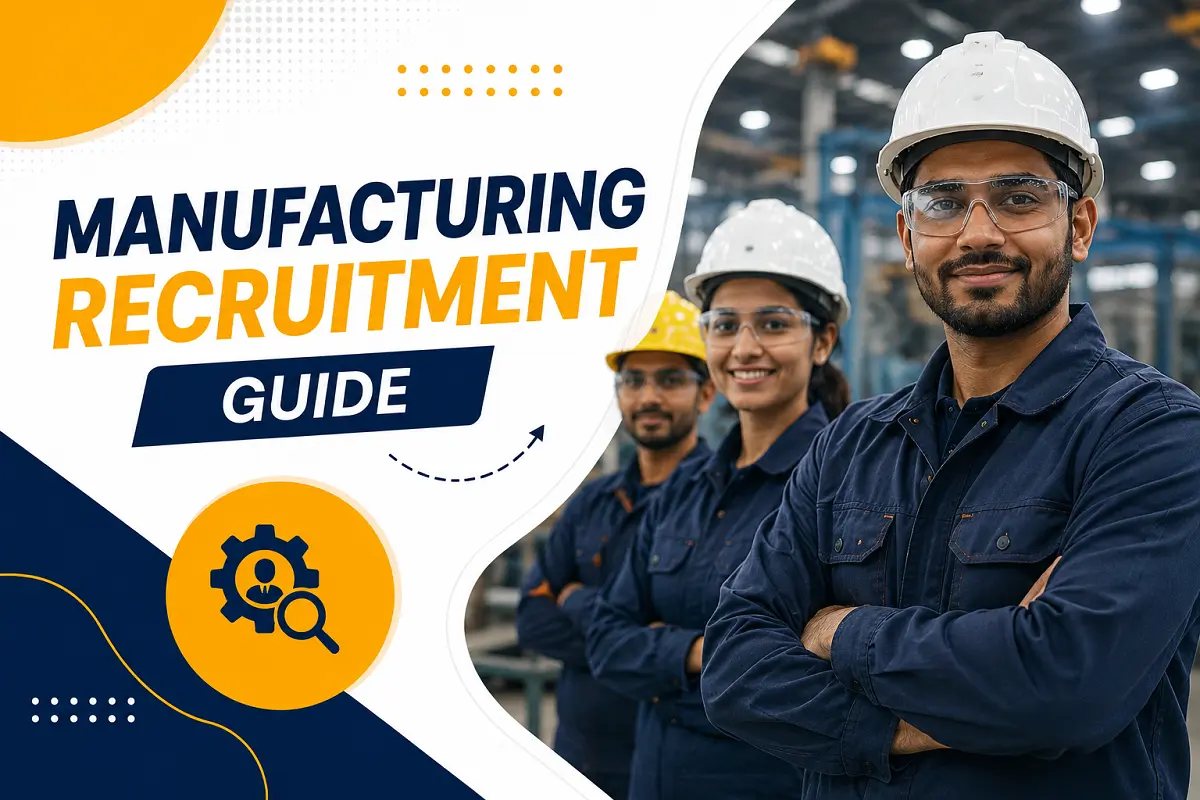
This is why Manufacturing Recruitment has become an important part of workforce planning. A strategic approach helps manufacturers find the right talent for production, maintenance, engineering, quality control, and supervisory roles while reducing hiring delays.
In this guide, we explore the manufacturing hiring process, the biggest recruitment challenges, and practical strategies for finding, attracting, and retaining skilled manufacturing talent in Canada.
What Is Manufacturing Recruitment?
Manufacturing recruitment is the process of sourcing, evaluating, and hiring employees for roles within the manufacturing and production industry.
This can include positions in:
- Production
- Machine operation
- Maintenance
- Engineering
- Quality control
- Skilled trades
- Supervision
- Manufacturing management
Unlike general recruitment, specialized manufacturing recruitment requires a clear understanding of the technical requirements and working conditions associated with industrial environments.
For example, hiring a production worker may require evaluating reliability, physical ability, and attention to detail. Hiring a CNC machinist may require experience with specific equipment, technical knowledge, and relevant certifications.
The right recruitment process helps employers find candidates who are not only available but also capable of performing the work safely and efficiently.
Common Manufacturing Roles Employers Hire For
Manufacturing operations rely on employees with different skills and responsibilities.
Production Workers
Production workers may assemble products, operate basic machinery, inspect materials, or support daily manufacturing processes.
Reliability, attention to detail, and the ability to follow workplace procedures are important.
Machine Operators
Machine operators manage production equipment and monitor processes to ensure consistent output.
Technical knowledge and safety awareness are often essential.
CNC Machinists
CNC machinists work with computer-controlled machinery to produce precise components.
These positions typically require technical knowledge, experience, and the ability to read technical drawings.
Quality Control Inspectors
Quality control inspectors check products and processes to ensure they meet required standards.
Strong attention to detail and knowledge of quality procedures are important.
Maintenance Technicians
Maintenance technicians help keep machinery and production equipment operational by performing inspections, repairs, and preventative maintenance.
Production Supervisors
Production supervisors coordinate teams, monitor output, manage schedules, and help maintain safety and quality standards.
Industrial Electricians
Industrial electricians install, maintain, troubleshoot, and repair electrical systems used in manufacturing facilities.
Welders
Welders use specialized equipment to join metal components and may work across different manufacturing environments.
Manufacturing Engineers
Manufacturing engineers help improve production processes, efficiency, quality, and equipment performance.
Top Manufacturing Recruitment Challenges
Manufacturers face several challenges when building a reliable workforce.
Skills Shortages
Many manufacturing roles require specialized technical skills that are not always easy to find.
As technology changes, employers increasingly need workers who can operate advanced machinery, understand automation, and adapt to new systems.
High Employee Turnover
Physically demanding work, shift schedules, limited career development, and competition from other employers can contribute to turnover.
High turnover creates additional recruitment and training costs.
Competition for Experienced Workers
Skilled professionals often have multiple employment options.
Manufacturers that offer slow hiring processes or uncompetitive compensation may lose strong candidates to competitors.
Lengthy Hiring Processes
Delays between application, interview, and offer can cause employers to lose candidates who are already considering other opportunities.
Seasonal Production Demands
Some manufacturers experience significant increases in production during certain periods.
Finding enough workers quickly can be difficult without a strong talent pipeline.
Recruiting for Specialized Technical Roles
Technical positions often require specific qualifications, experience, or certifications, thereby narrowing the candidate pool.
Retaining Skilled Manufacturing Employees
Hiring skilled workers is only part of the challenge. Employers must also provide a workplace where employees have reasons to stay.
How to Hire Skilled Manufacturing Talent in Canada
Finding the right people requires a structured recruitment strategy.
Identify Workforce Requirements
Before beginning recruitment, define the roles you need to fill, the responsibilities involved, the required experience, and any necessary certifications.
Understanding your actual workforce requirements helps prevent poor hiring decisions.
Write Clear Job Descriptions
Job descriptions should clearly explain:
- Responsibilities
- Required qualifications
- Shift details
- Physical requirements
- Compensation
- Career development opportunities
Candidates are more likely to apply when they understand what the role actually involves.
Expand Candidate Sourcing
Manufacturers should use multiple recruitment channels, including:
- Staffing agencies
- Employee referrals
- Online job boards
- Apprenticeship programs
- Trade schools
- Industry networks
Using multiple sources helps employers reach a wider range of potential candidates.
Prioritize Skills and Experience
Evaluate technical abilities, certifications, safety awareness, problem-solving skills, and previous manufacturing experience.
A strong candidate should be assessed on their ability to perform the role’s responsibilities.
Streamline the Hiring Process
A slow recruitment process can result in the loss of qualified workers.
Quick communication, efficient interviews, and timely decisions can help employers secure skilled talent before competitors do.
Why Partner With a Manufacturing Recruitment Agency?
Working with a specialized manufacturing recruitment agency can make it easier for manufacturers to find suitable candidates.
A staffing partner can provide:
- Faster hiring
- Access to pre-screened candidates
- Industry expertise
- Flexible staffing solutions
- Reduced recruitment workload
- Temporary, contract, and permanent staffing options
Manufacturing recruitment agencies can also help businesses manage seasonal production increases without requiring permanent hiring for each short-term surge in demand.
For employers looking to build a more flexible workforce, the right recruitment partner can provide access to candidates with the skills and experience required for specific manufacturing roles.
Manufacturing Recruitment Best Practices
Following effective Manufacturing Recruitment Best Practices can improve both hiring results and long-term retention.
Build a Talent Pipeline
Do not wait until a position becomes urgent before looking for candidates. Maintaining relationships with potential workers can speed up future hiring.
Improve Employer Branding
Manufacturing employers should communicate what makes their workplace attractive.
Safety, career growth, training, compensation, workplace culture, and employee success stories can all influence candidate decisions.
Offer Competitive Compensation
Skilled workers understand their value.
Competitive wages and benefits can help manufacturers attract and retain qualified employees.
Invest in Employee Training
Training helps employees develop new skills while allowing employers to strengthen their internal talent.
Reduce Time-to-Hire
A faster recruitment process improves the chances of securing qualified candidates before they accept other offers.
Strengthen Onboarding
A structured onboarding process helps new employees understand their responsibilities, safety requirements, workplace expectations, and development opportunities.
Use Workforce Planning and Hiring Analytics
Tracking hiring timelines, turnover, absenteeism, and workforce demand can help manufacturers make better recruitment decisions.
Why Choose HireLabour.ca for Manufacturing Recruitment?
Finding skilled manufacturing professionals requires more than posting a job and waiting for applications.
Hire Labour provides Canadian manufacturers with access to experienced recruitment specialists and a network of skilled professionals across the country.
Employers can access:
- Temporary staffing solutions
- Contract placements
- Permanent recruitment
- Fast turnaround times
- Thorough candidate screening
- Industry-specific recruitment expertise
- Customized hiring solutions
Whether a manufacturer needs production workers for a seasonal increase, a skilled technician for a specialized role, or permanent professionals for long-term growth, we can help connect employers with suitable candidates.
Conclusion
Effective Manufacturing Recruitment is essential for building a productive and reliable workforce in Canada’s competitive labour market.
Manufacturers face ongoing challenges, including skills shortages, high turnover, competition for experienced workers, and changing production demands. A strategic recruitment process helps employers identify the skills they need, reach qualified candidates, and make faster hiring decisions.
Strong recruitment should also be supported by competitive compensation, employee development, effective onboarding, and long-term workforce planning.
Looking to hire skilled manufacturing professionals?
Partner with Hire Labour today to connect with qualified manufacturing talent through flexible temporary, contract, and permanent staffing solutions.
Get in touch with our recruitment experts today to build a stronger workforce.
FAQs
Which certifications are commonly required for manufacturing jobs in Canada?
Requirements vary by role. Some positions may require trade certifications, equipment training, safety qualifications, forklift certification, electrical credentials, or other industry-specific training.
How long does it typically take to fill a manufacturing position?
The timeline depends on the role, location, required qualifications, and candidate availability. Specialized technical positions may take longer to fill than general production roles. Working with a staffing agency can often speed up the process.
What is the difference between manufacturing recruitment and industrial recruitment?
Manufacturing recruitment focuses primarily on roles involved in production, machinery, quality control, maintenance, and manufacturing operations.
Industrial recruitment is a broader category that may include manufacturing, construction, logistics, engineering, and other industrial sectors.
How can manufacturers attract younger talent to the industry?
Employers can highlight career development, training opportunities, modern technology, competitive compensation, mentorship programs, and opportunities to build long-term careers within the industry.
When should a manufacturer use temporary staffing instead of permanent hiring?
Temporary staffing can be useful during seasonal production increases, short-term projects, unexpected workforce shortages, or periods when a company needs additional flexibility before making permanent hiring decisions.
What are the benefits of partnering with a manufacturing recruitment agency?
A recruitment agency can provide faster access to pre-screened candidates, industry expertise, flexible staffing options, reduced hiring workload, and support with temporary, contract, and permanent recruitment.