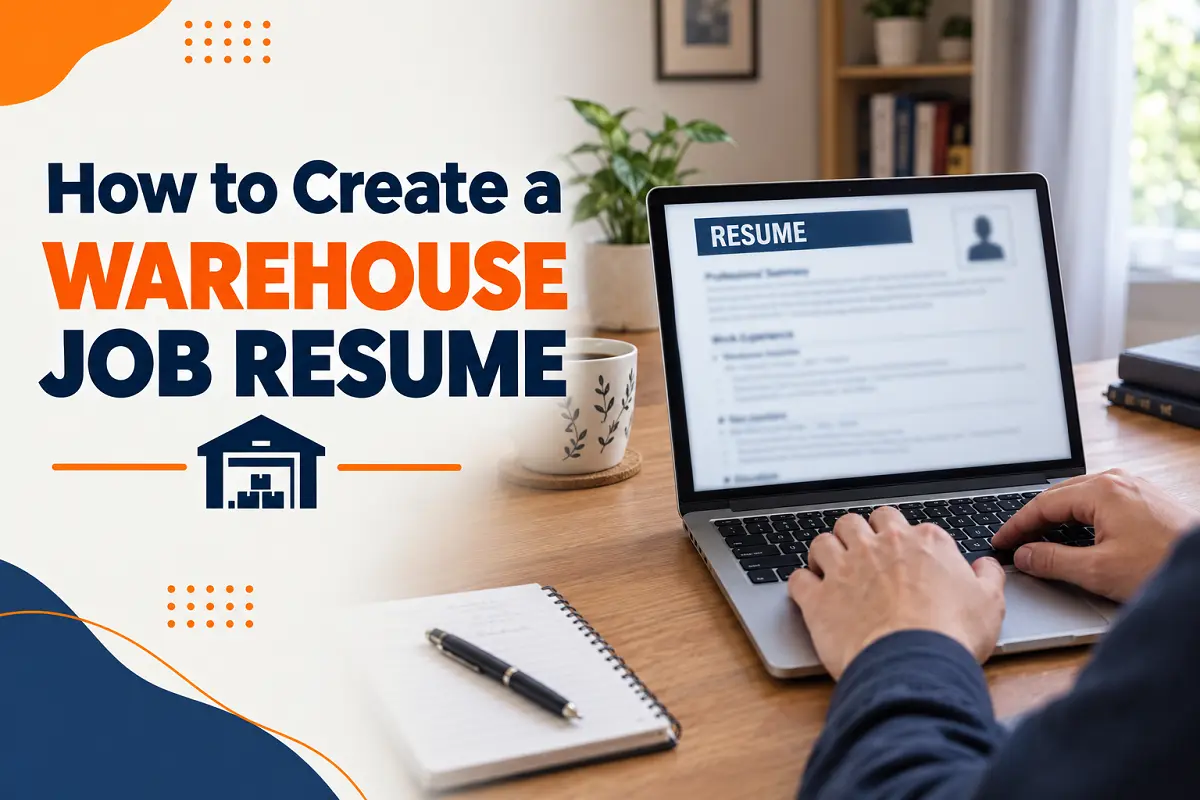
Applying for warehouse jobs in Canada can be competitive, and your resume often creates the first impression on a potential employer.
A well-structured warehouse job resume helps hiring managers quickly understand your experience, practical skills, and suitability for the role. Whether you are applying for a warehouse associate, order picker, forklift operator, or shipping and receiving position, your resume should demonstrate that you can work efficiently, follow safety procedures, and contribute to daily warehouse operations.
Canadian employers commonly look for reliability, attention to detail, teamwork, physical stamina, and familiarity with warehouse equipment or inventory systems. They also value candidates who can follow instructions, maintain accurate records, and meet productivity targets.
In this guide, you will learn what to include in your resume, how to create a compelling warehouse job resume in 2027, how to avoid common resume mistakes, and how Hire Labour can help you explore warehouse job opportunities in Canada.
What Should a Warehouse Job Resume Include?
Before writing your resume, organize the information employers need to assess your qualifications.
- Contact information: Include your full name, phone number, professional email address, and city or province. A complete street address is generally unnecessary.
- Professional summary or objective: Briefly describe your experience, strongest skills, and career goals.
- Relevant work experience: List previous positions, responsibilities, and measurable achievements.
- Warehouse skills: Highlight abilities such as order picking, packing, inventory control, shipping and receiving, and equipment operation.
- Education and certifications: Include your highest relevant education, safety training, and applicable equipment certifications.
- Additional qualifications: Mention shift availability, language proficiency, or experience with warehouse management systems when relevant to the position.
Keep each section organized and easy to scan so recruiters can quickly identify your most valuable qualifications.
How to Create a Warehouse Job Resume in 2027: Step-by-Step
1. Choose the Right Resume Format
A reverse-chronological resume is usually the best choice for warehouse candidates because it presents your most recent experience first. This format makes it easier for employers to evaluate your employment history and career progression.
Use clear headings, consistent dates, readable fonts, and simple bullet points. Avoid complicated layouts, excessive graphics, and unnecessary design elements that could make your resume harder for recruiters or ATS software to read.
If you have limited experience, a skills-focused format can help emphasize transferable abilities while maintaining a clear employment history.
2. Write a Clear and Professional Resume Summary or Objective
Your summary should explain why you are a suitable candidate in two to four sentences. Focus on relevant experience, strengths, and the value you can bring to the employer.
For example:
- Experienced candidate: Reliable warehouse associate with three years of experience in order picking, packing, inventory management, and shipping operations. Skilled in maintaining accurate inventory records, meeting productivity targets, and following workplace safety procedures.
- Entry-level candidate: Motivated and dependable job seeker seeking a warehouse associate position. Offers strong attention to detail, teamwork, time management, and a willingness to learn warehouse procedures while maintaining safety and accuracy.
Choose a summary that reflects your actual qualifications rather than using generic claims.
3. Highlight Relevant Warehouse Work Experience
List your previous jobs in reverse chronological order, including the employer, job title, location, and employment dates. Under each position, describe your responsibilities and achievements using concise bullet points.
Whenever possible, include measurable results. Numbers help employers understand the impact of your work.
For example:
- Picked and packed approximately 100 orders per shift while maintaining accuracy.
- Assisted with receiving, labeling, and organizing incoming inventory.
- Conducted regular stock checks to identify discrepancies and maintain accurate records.
- Followed workplace safety procedures while handling materials and operating approved equipment.
Only include figures and responsibilities you can reasonably verify. If you have no direct warehouse experience, highlight transferable duties from retail, manufacturing, delivery, or other relevant jobs.
4. Showcase Your Warehouse Skills
Organize your skills into technical abilities and transferable workplace strengths.
Technical skills may include:
- Order picking, packing, and sorting
- Inventory control and stock replenishment
- Shipping and receiving
- Barcode scanning and labeling
- Warehouse management systems (WMS)
- Forklift or pallet jack operation, where qualified
Soft skills may include:
- Attention to detail
- Time management and punctuality
- Teamwork and communication
- Problem-solving
- Adaptability and reliability
- Commitment to workplace safety
Prioritize skills mentioned in the job advertisement. Support your strongest abilities with examples in your work experience rather than relying on a long list of keywords.
5. Include Education, Training, and Certifications
List your educational qualifications, relevant training, and valid certifications that support your application.
Depending on the role, these may include forklift operator training, workplace health and safety training, first aid, WHMIS training, or other job-related credentials.
Requirements vary by employer, province, and equipment type. Include only qualifications you actually hold, and ensure that any required training or authorization is appropriate for the position.
If you are new to warehouse work, relevant training can help demonstrate initiative and readiness to learn.
6. Optimize Your Resume for Applicant Tracking Systems (ATS)
Many employers use applicant tracking systems to organize applications and help recruiters identify relevant candidates. An ATS-friendly resume can make your qualifications easier to process.
To improve readability:
- Use standard headings such as “Work Experience,” “Skills,” and “Education.”
- Include relevant terms from the job advertisement naturally.
- Use straightforward formatting and conventional bullet points.
- Avoid placing essential information exclusively in images, graphics, or complex tables.
- Follow the employer’s requested file format and application instructions.
For example, if an advertisement requests experience with inventory control and shipping documentation, mention those skills when they accurately describe your background.
Never add keywords to manipulate screening systems. Your resume should reflect your genuine experience and qualifications.
7. Tailor Your Resume to Each Warehouse Job
Not every warehouse position requires the same abilities. An order picker may need speed and accuracy, while a shipping and receiving clerk may need documentation skills and inventory knowledge.
Read each job advertisement carefully and identify its main responsibilities, required qualifications, shift expectations, and equipment requirements. Adjust your summary, skills, and work experience to emphasize the qualifications most relevant to that particular role.
This approach helps employers see the connection between your background and their hiring needs.
Common Warehouse Resume Mistakes to Avoid
Even qualified candidates can weaken their applications through avoidable errors. Keep these common warehouse resume mistakes to avoid in mind:
- Using the same generic resume for every application: Customize your content to match the role and employer.
- Including irrelevant or outdated information: Prioritize recent, relevant experience and useful qualifications.
- Overlooking spelling, grammar, and formatting errors: Proofread carefully and maintain consistent formatting.
- Listing skills without supporting examples: Demonstrate your abilities through specific responsibilities or achievements.
- Claiming certifications or equipment experience you do not have: Be honest about your training and capabilities.
- Providing inaccurate employment dates or achievements: Check your records and ensure all information is truthful.
A final review can help you submit a professional, accurate, and easy-to-read application.
Find Warehouse Job Opportunities With Hire Labour
Finding suitable warehouse work involves more than preparing a strong resume. You also need to identify opportunities that match your experience, qualifications, availability, and career goals.
Hire Labour, a trusted staffing agency in Canada that connects job seekers with employment opportunities, including warehouse positions suited to different skill sets and experience levels.
Before applying through Hire Labour, prepare a targeted resume that highlights relevant warehouse skills, previous responsibilities, safety awareness, and applicable certifications. If you are an entry-level candidate, emphasize transferable skills and your willingness to learn.
Review available opportunities carefully and follow the application instructions for each suitable position. A focused application can help recruiters understand your strengths and assess how your background aligns with an employer’s requirements.
Conclusion
Creating a strong warehouse resume in 2027 starts with clear formatting, relevant experience, practical skills, accurate qualifications, and careful tailoring to each position. By demonstrating reliability, safety awareness, attention to detail, and measurable achievements, you can make it easier for employers to recognize your potential.
Avoid common resume mistakes, optimize your document for ATS readability, and ensure every detail reflects your actual qualifications.
Ready to explore warehouse employment opportunities in Canada? Contact Hire Labour today to learn about available opportunities and prepare your resume for positions that match your skills and experience.
Frequently Asked Questions
1. How long should a warehouse job resume be?
One page is usually sufficient for entry-level applicants and candidates with limited experience. Candidates with several years of relevant experience may use two pages if the additional information is valuable. Keep your content concise and prioritize qualifications related to the position.
2. How do I write a warehouse resume with no experience?
Focus on transferable skills from school, volunteering, retail, hospitality, manufacturing, or other activities. Highlight punctuality, teamwork, attention to detail, physical readiness where relevant, and willingness to learn. Include applicable training and write an objective that explains your interest in warehouse work.
3. Do warehouse employers in Canada use applicant tracking systems (ATS)?
Yes, some Canadian warehouse employers and staffing agencies use ATS software to organize applications and support warehouse recruitment. However, practices vary by employer. Use standard headings, relevant keywords, readable formatting, and accurate information to improve your resume’s accessibility.
4. Where can I find warehouse job opportunities in Canada?
You can find warehouse job opportunities in Canada through Hire Labour, which helps connect job seekers with potential employers. Explore available listings, review job requirements, and apply for positions that match your skills and experience.
5. Should I include temporary warehouse work experience on my resume?
Yes. Temporary, contract, and seasonal warehouse positions can demonstrate practical experience, adaptability, and familiarity with warehouse operations.
Include relevant duties, achievements, and employment dates, just as you would for permanent positions. Clearly identify contract or temporary roles when appropriate.